Living with a Dachshund often comes with a quiet worry that many owners don’t talk about openly. You hear stories about back problems, sudden injuries, or dogs who were “fine one day and not the next,” and it’s hard not to feel anxious about whether you’re doing enough to protect your own dog.
Most owners aren’t careless — they’re confused. One day you’re told to limit movement, the next you’re told exercise is important. You try to be careful, but you also don’t want your Dachshund to live a restricted or unhappy life. That constant fear of “doing the wrong thing” can be exhausting.
The truth is, preventing IVDD isn’t about extreme rules or living in constant caution. It’s about understanding where everyday strain actually comes from and making calm, thoughtful adjustments that fit naturally into daily life.
If you’re trying to prevent IVDD in Dachshunds, what matters most isn’t perfection — it’s consistency and awareness.
This guide is meant to help you feel more grounded and confident in the choices you make for your Dachshund. Not by overwhelming you, but by offering clarity — so you can focus on giving your dog a safe, comfortable life without living in fear.
📝 Key Takeaways
- Understand the everyday factors that increase IVDD risk in Dachshunds
- Learn simple, practical ways to reduce strain on your dog’s spine
- Know where to find reliable guidance and support for long-term back care
Understanding IVDD in Dachshunds
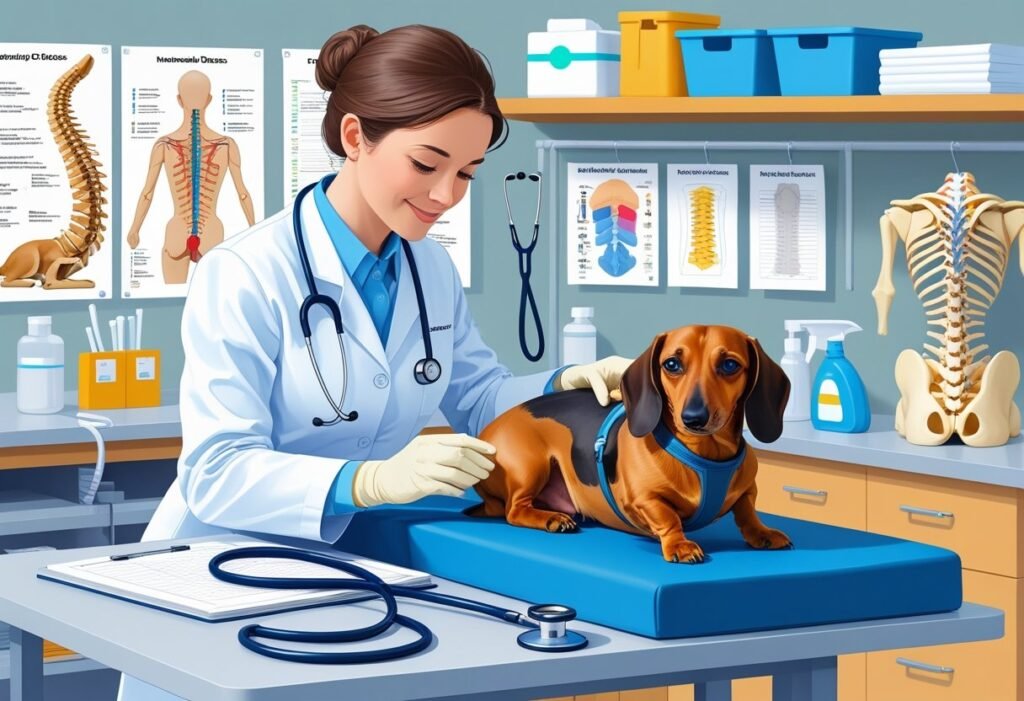
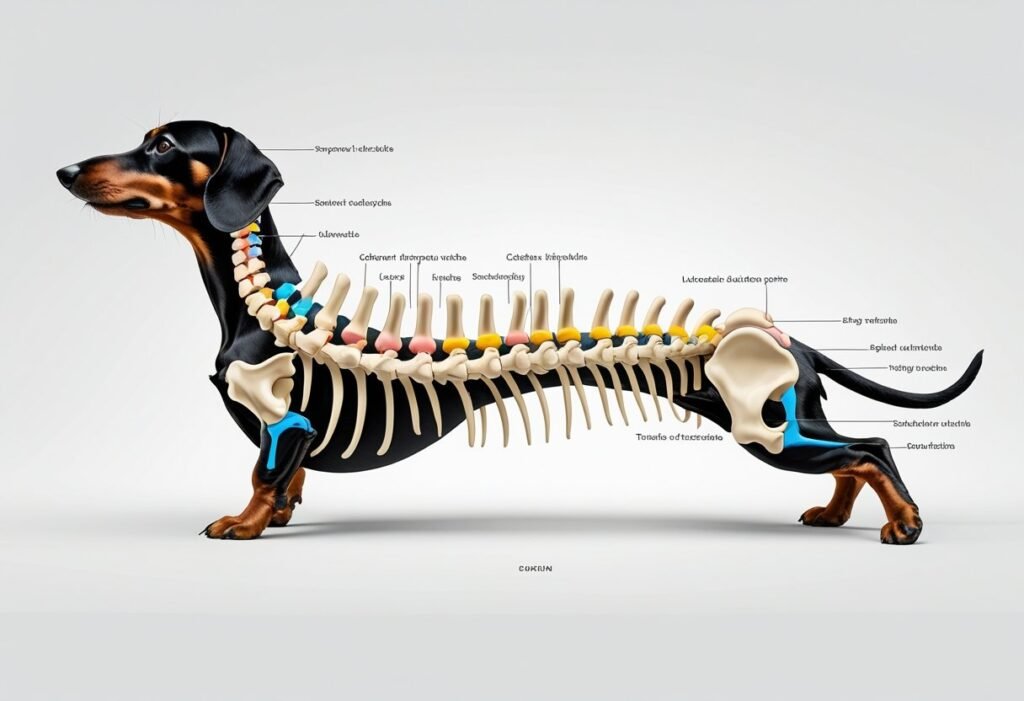
Dachshunds have a higher risk of back problems because of their long spine and short legs. IVDD can lead to pain, weakness, or mobility loss, which is why understanding the condition helps owners notice problems early.
What Is IVDD?
IVDD stands for Intervertebral Disc Disease. It’s a condition where the discs between the bones of the spine break down, get damaged, or slip out of place.
These discs act like cushions, and when they’re damaged, they can press on the spinal cord. This pressure can cause pain, nerve damage, or problems moving.
IVDD can affect any dog, but some breeds are much more likely to get it—Dachshunds included. IVDD often develops over time, but sometimes it happens suddenly, especially after a jump or fall.
Why Are Dachshunds at Risk?
Dachshunds are more likely to get IVDD because of their unique body shape. Their long spine and short legs put extra stress on their back, especially near the middle.
A gene called FGF4 is linked to the way their discs age and break down faster compared to other breeds. This means the discs lose their shape and strength at a younger age, which is pretty frustrating for owners.

About 1 in 4 Dachshunds may develop IVDD during their lifetime. Being overweight, jumping off furniture, or climbing stairs often can increase their risk.
Taking steps to prevent IVDD in Dachshunds includes helping your dog stay slim, using ramps for beds or couches, and limiting activities that put strain on their spine.
Early Signs and Symptoms of IVDD
Detecting IVDD early can make a difference for your Dachshund.
Common signs include:
- Reluctance to move or jump
- Crying out when touched
- Stiffness or a hunched back
- Weakness in the back legs
- Loss of bladder or bowel control
Symptoms can appear suddenly or slowly get worse. Watch for changes in your dog’s usual behavior, like yelping, shaking, or hiding.
If you see these signs, contact your vet right away so you can start treatment and prevent further injury.
How Most Dachshund Owners Reduce IVDD Risk Long-Term
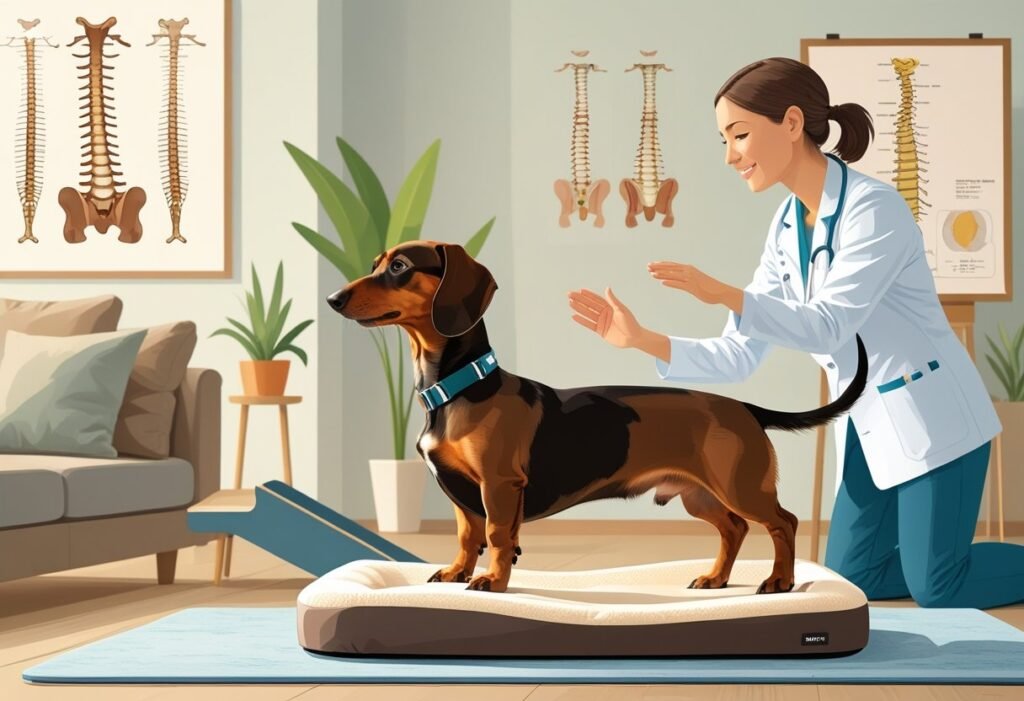
Experienced Dachshund owners don’t try to eliminate movement or overprotect their dogs out of fear. Instead, they focus on reducing everyday strain on the spine while still allowing safe, controlled activity.
Rather than changing everything at once, they make small, consistent adjustments that quietly protect the back over time.
They pay close attention to how their dog moves during walks, daily routines, and rest, knowing that repeated minor strain often matters more than rare accidents.
Most importantly, they rely on proven, low-risk habits instead of guessing or reacting emotionally. This calm, steady approach helps lower IVDD risk while preserving quality of life for both the dog and the owner.
Over time, this approach builds confidence. Owners stop feeling like they’re constantly one mistake away from injury, and dogs are able to stay active without unnecessary risk. Prevention becomes part of daily life, not something that feels stressful or restrictive.
What You Cannot Control
Even the most careful Dachshund owners cannot control everything. Genetics play a role in how spinal discs age and weaken over time. Some dogs may develop IVDD despite thoughtful care and consistent prevention habits.
Prevention lowers risk — it does not eliminate it. The goal isn’t perfection. It’s reducing unnecessary strain while giving your dog a safe, active life.
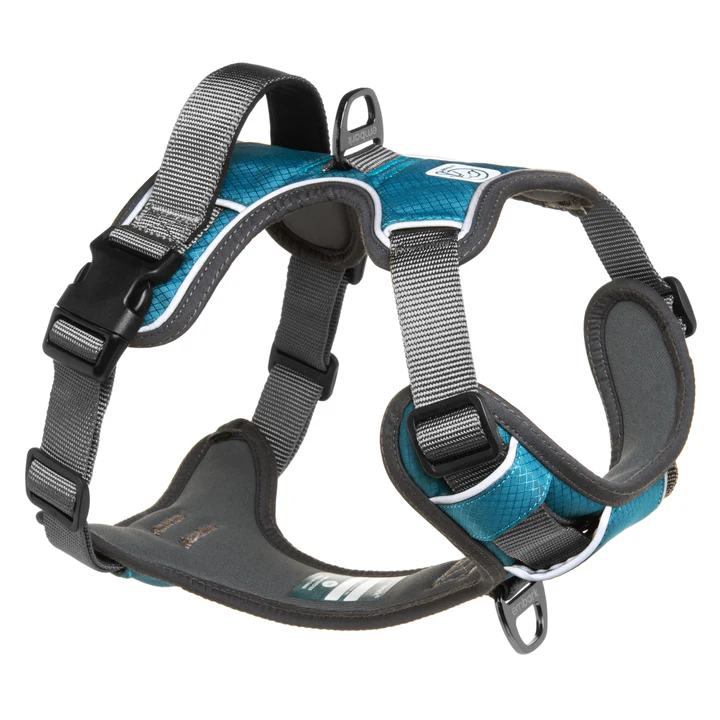
🎽 Embark Pet Adventure Harness — A Safer Daily Choice for IVDD Prevention
One of the simplest ways owners reduce IVDD risk is by limiting strain during everyday walks. This harness helps distribute leash pressure across the chest instead of the neck or spine, making routine movement calmer and more controlled.
- ✅ Reduces neck and spinal pressure during walks
- ✅ Secure, supportive fit for long-backed Dachshunds
- ✅ Comfortable for daily use without restricting movement
- ✅ Helps prevent sudden pulling or twisting
🪜 For homes with couches, beds, or car access:
Many Dachshund owners reduce IVDD risk by removing the need to jump altogether.
Sturdy pet stairs help limit sudden impact on the spine during everyday movement.
→ View Majestic Pet Stairs
🩺 For owners planning ahead:
Some Dachshund owners choose to set up pet insurance early, so they’re not forced into rushed decisions if IVDD ever appears.
Comparing coverage in advance can provide peace of mind.
→ Compare IVDD-related Insurance Options
Breeding and Genetics: Reducing IVDD Risk
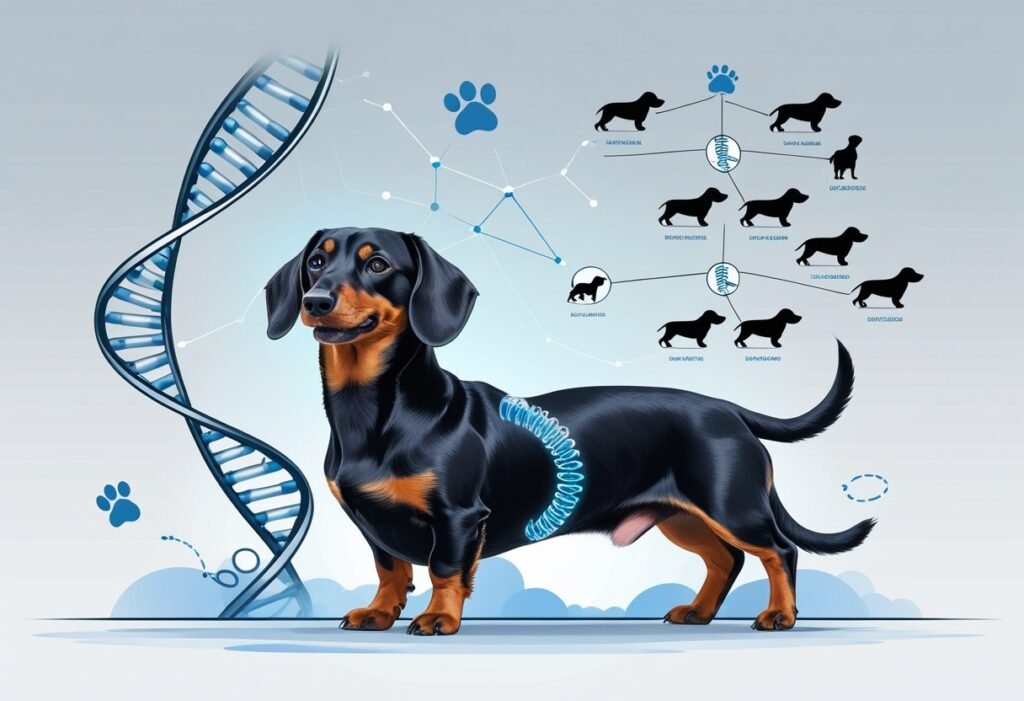
The risk of IVDD in Dachshunds depends a lot on their genetics. Careful breeding choices and specific screening steps can help lower a dog’s risk for this condition.
Choosing a Responsible Breeder
A responsible breeder carefully selects which dogs to breed. They avoid breeding Dachshunds with a history of IVDD or those that show symptoms of back problems.
Look for breeders who do health testing on their breeding dogs. Ask for proof of health certificates and screening records.
Responsible breeders usually:
- Keep thorough records of their dogs’ health.
- Avoid breeding dogs under age 2.
- Are honest about IVDD risks in their lines.
- Limit the number of litters to focus on quality.
You have the right to ask breeders questions.
Genetic Screening for IVDD
Genetic screening can spot traits that may raise your Dachshund’s IVDD risk. Some breeders use DNA tests to check for specific genes linked to back troubles.
The most common test related to IVDD risk looks for the FGF4 retrogene on chromosome 12. Dogs with two copies of this gene are at higher risk for disc disease.
Not all breeders use genetic testing, though. Before you buy, ask if these tests are done.
If so, request the results and talk through what the numbers mean for your puppy. Screening doesn’t guarantee a dog will never get IVDD, but it does make it easier to avoid puppies with the highest genetic risk.
Daily Lifestyle Adjustments for IVDD Prevention
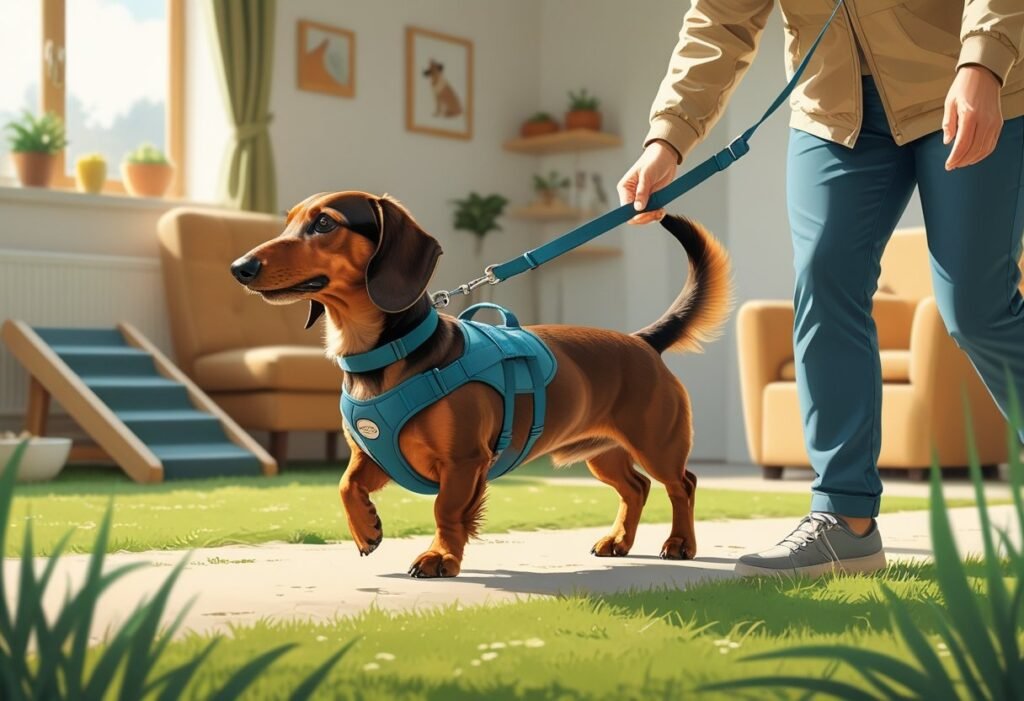
Simple changes at home and in your routine can help prevent IVDD in Dachshunds. Daily care includes watching your dog’s weight, using safe exercise routines, and making your home safe for their unique backs.
Maintaining a Healthy Weight
Keeping your Dachshund at a healthy weight is one of the most important steps for back care. Extra weight can put pressure on the spine, leading to disc problems.
Ask your vet about your dog’s ideal weight. Measure their food and avoid giving too many treats. Feed high-quality dog food.
Weigh your Dachshund every month.
If you notice weight gain, talk to your veterinarian about adjusting their diet or activity level.
Safe Exercise and Play
Daily exercise keeps your Dachshund fit and supports muscle health. However, some activities raise the risk of back injury. Avoid games that involve jumping, rough play, or climbing steep stairs.
Instead, choose these activities:
- Leashed walks on flat ground
- Gentle fetch on soft grass (no jumping)
- Swimming (if your dog enjoys it)
Keep play sessions short but regular. Aim for several 10–15 minute walks or playtimes each day.
Tip: Always use a harness instead of a collar. Collars can strain your Dachshund’s neck and spine when they pull.
Home Modifications to Protect the Spine
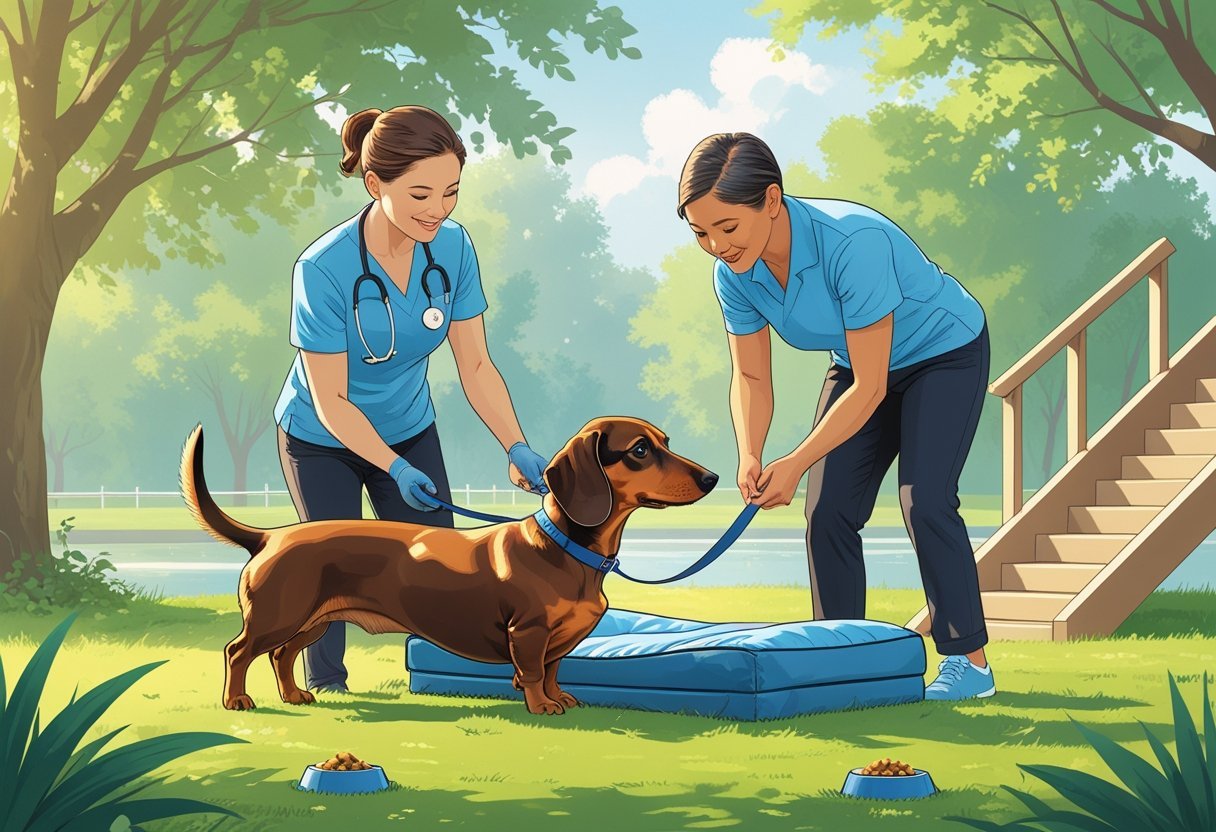
Set up your home to prevent your Dachshund from jumping or climbing, which can harm their back. Install ramps or pet steps by furniture so your dog doesn’t need to jump on or off couches and beds.
Block off stairs with baby gates to stop your Dachshund from running up and down.
Place rugs or non-slip mats on slippery floors. These give your dog better traction and prevent falls.
Raise food and water bowls to a comfortable height to reduce neck strain.
Check all areas your Dachshund uses daily for hazards, and adjust as needed to support their back safety.
🐾 Get the Free Dachshund Care Checklist
Download our free Dachshund care guide to keep your furry friend happy and healthy.
Get Your Free Guide 🐶Frequently Asked Questions
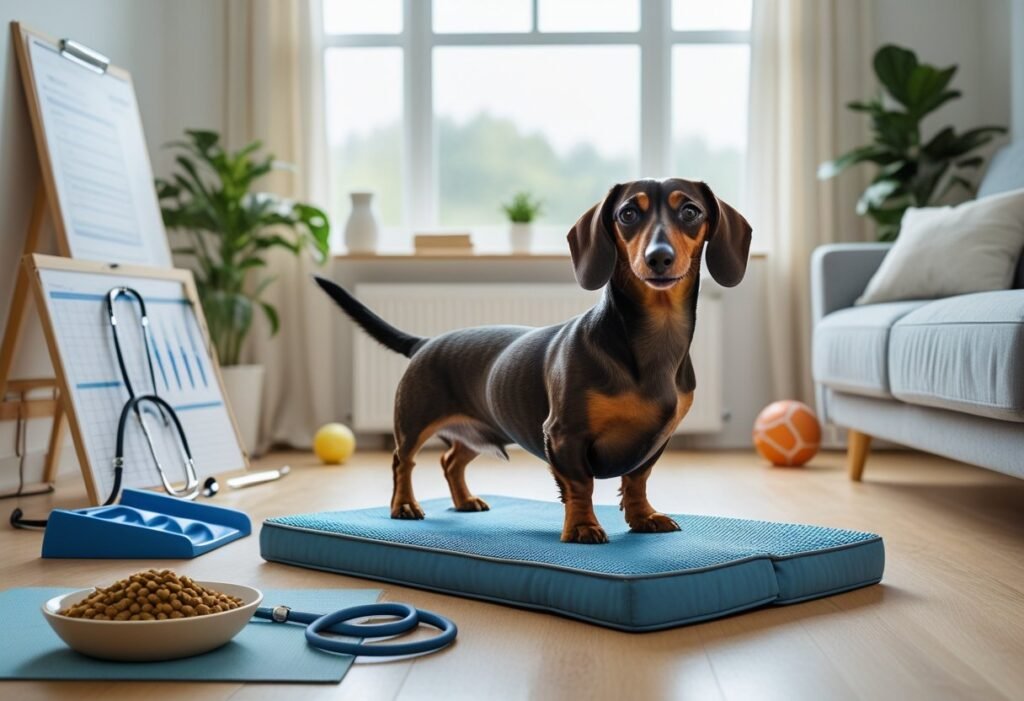
Intervertebral Disc Disease (IVDD) is a common spinal problem in Dachshunds. Spotting issues early, handling your dog safely can make a real difference.
What are the early indicators of potential IVDD issues in Dachshunds?
You may notice your Dachshund is suddenly reluctant to move, whines when picked up, or seems stiff. Other signs include shivering, a hunched back, or weakness in the back legs. If your dog has trouble walking or loses balance, see your vet right away.
How prevalent is IVDD among the Dachshund breed?
About one out of every four Dachshunds gets IVDD at some point. The breed has a higher risk than most dogs because of their long spine and short legs.
What are effective strategies for lifting and handling Dachshunds to minimize IVDD risks?
Always support your Dachshund’s chest and hindquarters when you pick them up. Keep their back straight and avoid sudden moves. Don’t let your dog jump from high places like furniture or stairs.
At what age are Dachshunds most vulnerable to developing IVDD?
Risk goes up between ages 3 and 7 , but IVDD can develop at any time. Young adult Dachshunds are especially susceptible because spinal discs often start wearing down early.