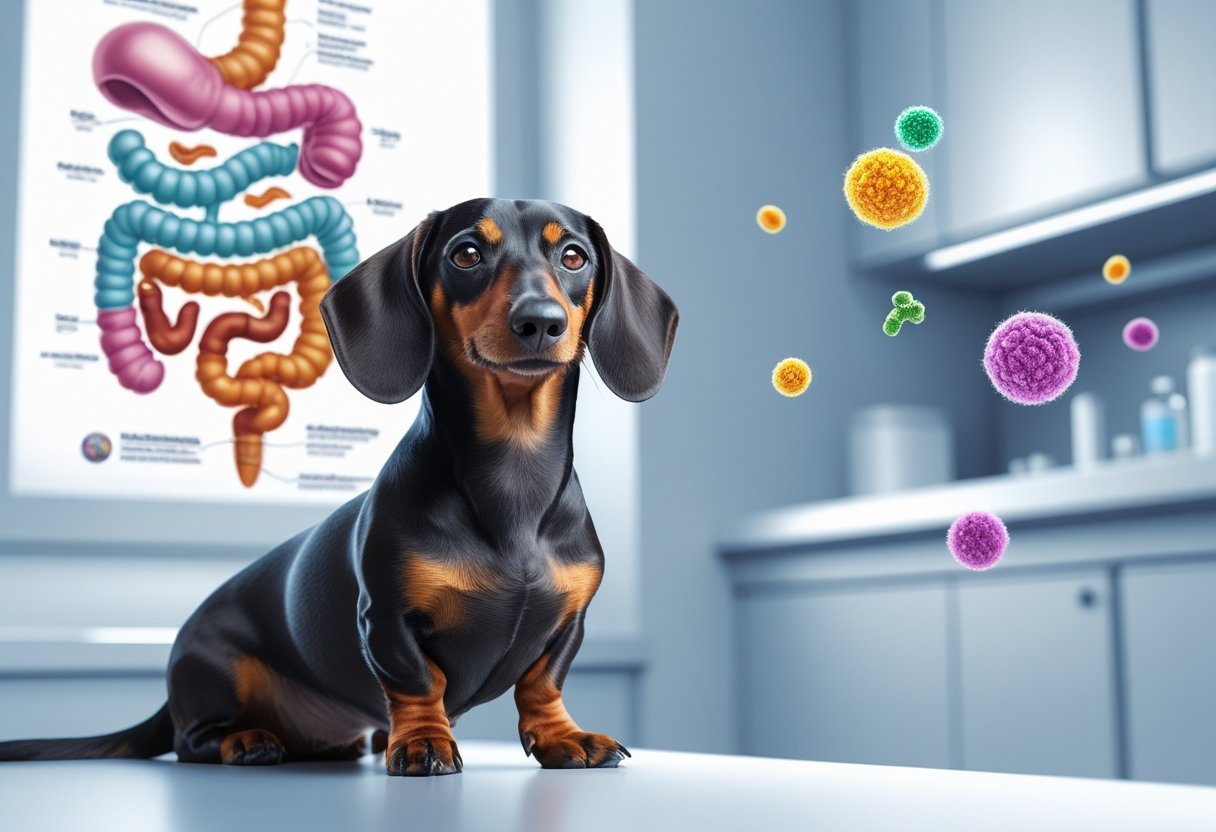
For many Dachshund parents, tummy troubles feel like a revolving door — soft stools one week, itching the next, then a random bout of gas or picky eating. You clean up another loose stool, wipe your dog again, and think, “There has to be a reason for this.” These patterns often trace back to the gut microbiome — the community of bacteria that influences digestion, immunity, and even skin comfort. When that balance slips, your Doxie can show it in a dozen small ways. It’s time to stop guessing. 🌿
That’s where the AnimalBiome Gut Health Test for Dachshunds comes in. This at-home test uses a simple stool sample to show what’s happening inside your dog’s gut. You receive a structured, easy-to-read report that highlights imbalances and suggests ways to support your Dachshund through food and supplements. 🧪
It’s not a medical diagnosis tool — but it is a practical, data-driven starting point for making smarter decisions and for having a more informed conversation with your vet.
Because Dachshunds have long backs, narrow jaws, and sensitive stomachs, it’s especially valuable to know whether their microbiome supports calm digestion and healthy skin. Stop guessing. Start acting with a clear, data-driven plan. 💡
Key Takeaways ✨
- At-home stool test that analyzes bacterial balance and diversity in your Dachshund’s gut 🧪
- Clear, easy-to-read report with practical guidance on diet tweaks and targeted supplements 📄
- Helps explain recurring tummy and skin issues like loose stools, gas, or itchiness 🐾
- Not a replacement for a vet exam — best used alongside professional care 🏥
- Repeat testing can track progress as you adjust food, fiber, or probiotics over time 📈
🐾 Free Dachshund Care Guide
Download our free checklist to ensure your Dachshund stays happy, healthy, and well-loved!
Get Your Free Guide 🐶What the AnimalBiome Gut Health Test for Dachshunds Includes
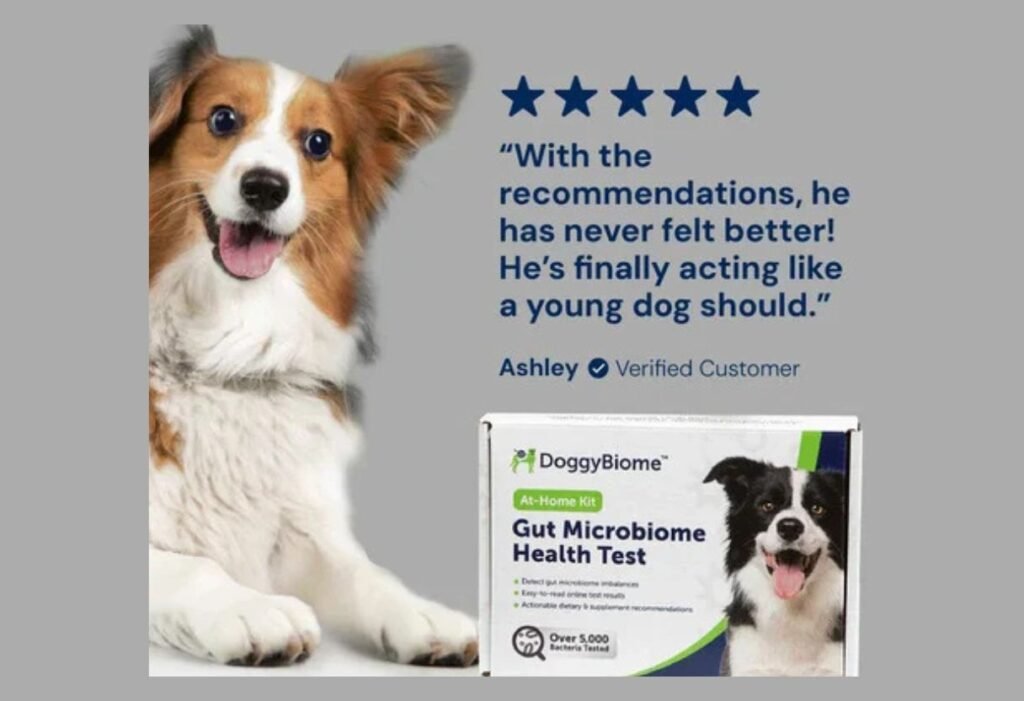
Dachshunds are notorious for sensitive digestion and on-again/off-again skin irritation. This kit is built to make the process simple from start to finish — collect a clean sample at home, mail it safely, and receive a structured report you can act on without guesswork. 📦
What Comes In The Kit 📬
- Sterile sample tube(s) with preservative to keep the stool stable
- Collection swab made to gather a tiny but accurate sample
- Prepaid return mailer with leak-proof packaging
- Step-by-step instructions designed for first-time users
Everything you need is already in the box — no clinic visit, no gloves to hunt for, no special containers to buy. It’s made for a one-hand-on-the-leash, one-hand-on-the-swab morning. 😉
How Sample Collection Works 🧤
- Collect from fresh stool using the swab (a pea-sized amount is enough)
- Seal the tube tightly so the preservative can stabilize the sample
- Place it in the prepaid mailer and ship the same day when possible
- Register your kit online so results connect to your account
Freshness matters. Microbiome data can shift with diet changes, stress, medications, or flare-ups — and Dachshunds are known for quick digestive reactions. Same-day mailing keeps results accurate. 📮
What The Results Show 📊
The final report breaks down what’s happening in your Dachshund’s gut in plain language, including:
- Beneficial vs. opportunistic bacteria and whether any are out of balance
- Microbial diversity levels (low diversity can mean lower resilience)
- Comparison to healthy dog baselines, so you know if your Doxie is above or below target ranges
- Action-based recommendations, such as protein rotation, fiber adjustments, or targeted probiotic/prebiotic support
Some kits also include access to expert consultation, helping you interpret the findings in simple terms and plan your next steps confidently. 🧭
Key Benefits for Dachshunds

Dachshunds are small, sharp-minded, and famously opinionated — which often makes feeding and digestion unpredictable. If your dog is gassy after dinner, itching around the collar, licking their paws, or swinging between soft and firm stools, microbiome data can help you skip guesswork and move toward calmer, consistent, back-friendly routines. 🐕🦺
Identifying Gut Imbalances 🔍
The test highlights whether beneficial bacteria are lacking or opportunistic bacteria are taking over. For Dachshunds, this matters because:
- Loose stool or mucus often follows a gut imbalance
- Low bacterial diversity can make diet transitions much harder
- Overgrowths may trigger gas, poor appetite, or skin irritation
- Inflammation from poor gut health can indirectly affect joint comfort and mood
Catching these patterns early lets you adjust diet and fiber before digestive stress leads to back strain, weight swings, or chronic inflammation. ⚖️
Personalized Diet & Supplement Guidance 🍽️
Instead of random trial-and-error, the AnimalBiome report gives targeted, dog-specific suggestions such as:
- Rotating proteins (e.g., poultry → fish) if sensitivity patterns appear
- Adding prebiotic fibers like inulin to feed healthy bacteria
- Choosing probiotics that match what is missing, not generic blends
- Adjusting portions and toppers to stabilize stools over time
Because Dachshunds have narrow jaws and fast tempers around food, small-breed kibble or fine-ground toppers that digest predictably can make a noticeable difference in gut stability. 🧩
Support for Digestive & Skin Issues 🌿
The gut and skin are tightly connected. When the microbiome stabilizes, improvements often show in two places at once:
- Chronic diarrhea or constipation cycles may settle
- Gassy, anxious eaters may relax after meals
- Seasonal itch or paw-licking may ease as inflammation drops
- Nutrient absorption improves, supporting better coat, stools, and energy
No single change is magic — but the report turns your first adjustments into the most likely to work, which saves time, frustration, and unnecessary diet experiments. 💛
Limitations to Consider
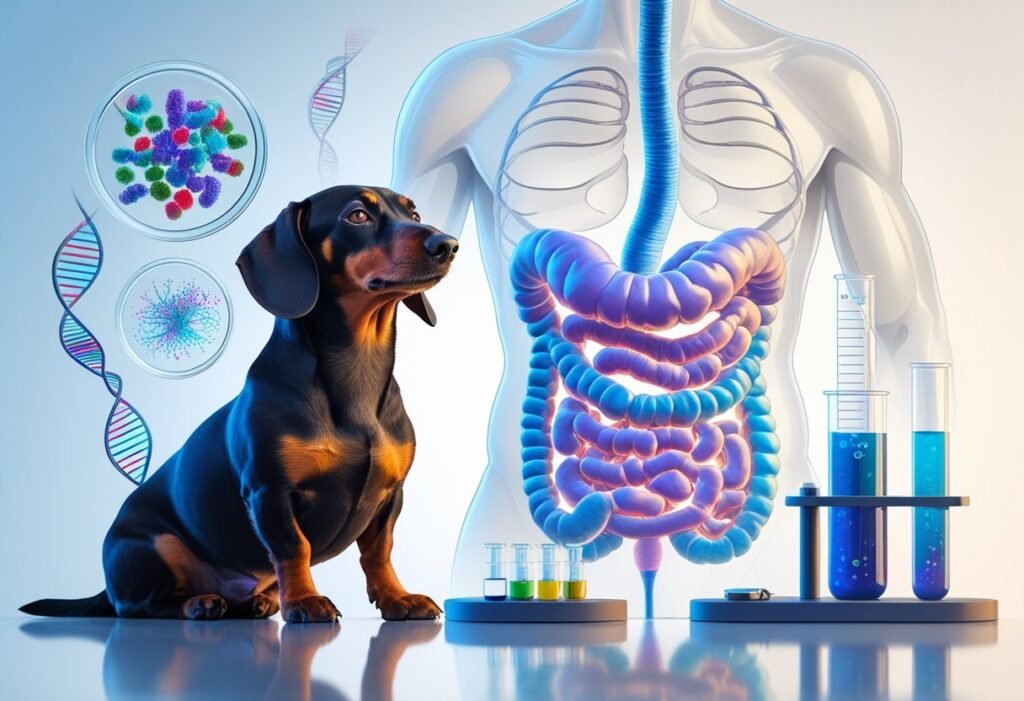
Even with clear benefits, it’s important to stay realistic about what microbiome testing can and cannot do. The AnimalBiome Gut Health Test is a useful lens — not a diagnosis. Going in with the right expectations keeps your plan realistic and kinder to your budget. 💸
Not a Replacement for Vet Diagnosis 🏥
Microbiome reports cannot diagnose:
- Parasites or infections
- Pancreatitis or liver disease
- Endocrine conditions
- Structural or organ-related issues
If your Dachshund has vomiting, weight loss, bloody stool, severe pain, or lethargy, go straight to your vet. Use microbiome results later to fine-tune everyday care — not to replace urgent medical work. 🚑
Cost Considerations 💳
You’re paying for lab sequencing and expert interpretation, not just a stool check.
If your Dachshund needs follow-up testing to track progress, plan that into your yearly health budget alongside:
- Dental cleanings
- Preventatives
- Back-supportive products
- Allergy or diet trials
Thinking ahead prevents surprise costs and makes it easier to prioritize care. 📅
Variability of Results 🔄
Your dog’s gut microbiome is not static — it shifts with:
- Diet changes
- Stress levels
- Antibiotics or medications
- Illness or inflammation
A retest after a meaningful change (diet switch, medication, or 6–12 weeks of gut support) can confirm direction — but don’t expect identical results each time. The trend matters more than the snapshot. 📈
Real-Life Owner Experience
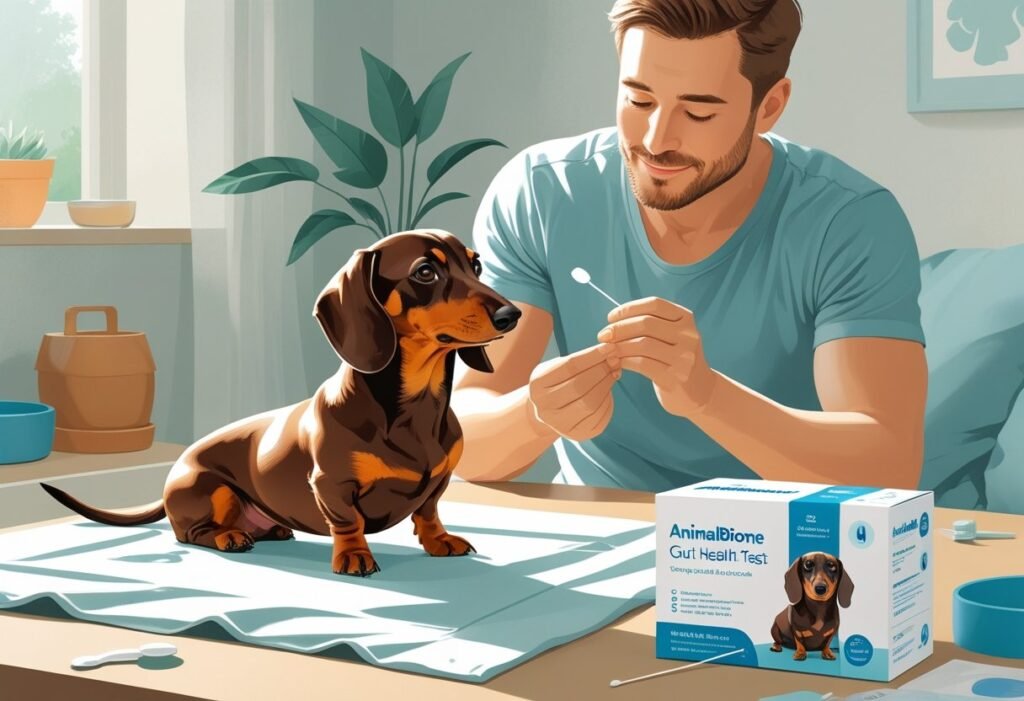
“Our Doxie, Benny, had on-off soft stools for months. The report showed low diversity and pointed us to add a gentle fiber and a targeted probiotic. Two weeks later, stools were finally consistent.” — Lori P., NY 🐾
“We thought Luna had ‘sensitive skin’ forever. Results suggested we rotate protein and add prebiotics. Her itching is down and her coat looks better.” — Marcus H., WA ✨
“Stomach gurgles after dinner were a nightly thing. We followed the guidance and shifted to smaller meals with a different protein. Way less gas, calmer evenings.” — Priya K., CA 🌙
“The data helped our vet shape a plan instead of guessing. We retested after 8 weeks and saw improvements where we were aiming.” — Hannah D., IL 📊
“Mabel used to skip morning meals entirely and sulk until noon. After adjusting meals based on the report, she eats consistently again and seems calmer around food.” — Dana S., TX 💛
Short, honest experiences like these reflect the typical path: get a baseline, tweak gently, observe behavior and stool changes, and then confirm progress with a retest. 🧩
If these simple changes worked for dogs just like yours, imagine what clarity could do for your Doxie 🐾. Explore the test here →
How Dachshund Owners Use the Test
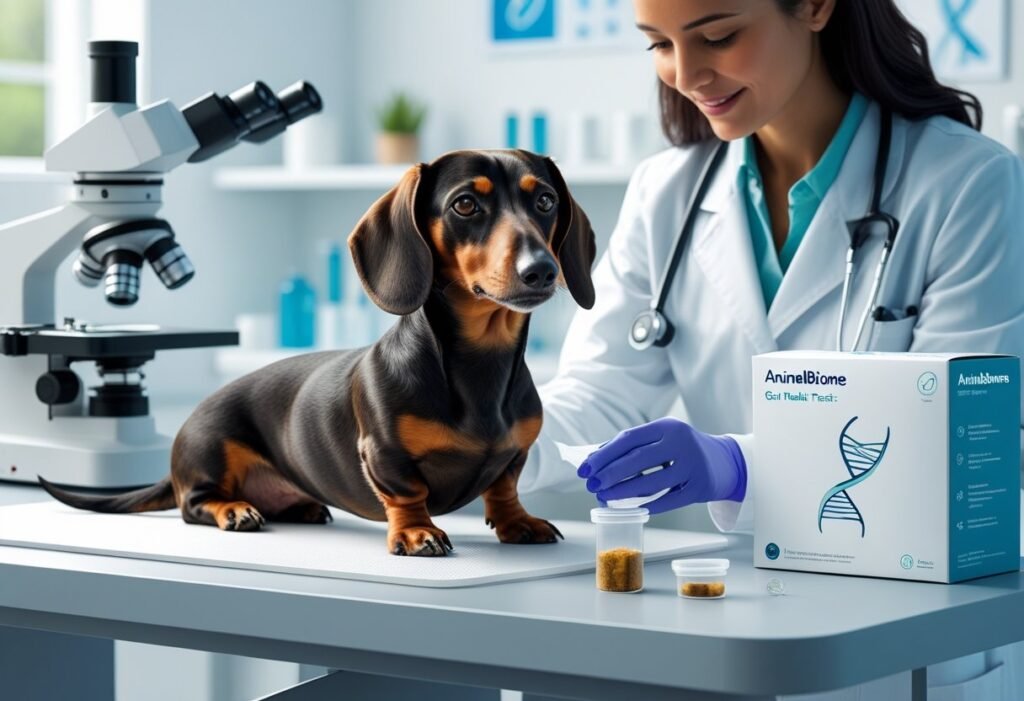
Dachshunds are routine-driven dogs. When the process is calm and predictable, they adjust easily. Here’s what using the AnimalBiome Gut Health Test looks like in a typical, back-friendly Dachshund household. 🏡
Step-By-Step Collection Process 🧯
- Plan a calm morning walk and bring the swab kit in a small zip bag
- Collect from the freshest portion (avoid grass, dirt, or leaves)
- Seal, label, and register your kit online
- Mail the same day to preserve accuracy
Practical tips:
- If your Doxie likes to roll or scoot, trim hair first to avoid contamination
- Avoid collecting during active diarrhea if you can — watery stool may not show the baseline pattern
- Note recent medications or diet changes so you remember the context when results arrive 📝
Understanding and Applying Results 🧠
When your report arrives:
- Skim the summary first, then look at detailed species groups
- Highlight 2–3 action steps you plan to implement
- Change one variable at a time and track stool shape, frequency, and odor
- Allow 2–4 weeks before deciding whether to make the next change
Because Dachshunds are strong-willed eaters and quick to protest changes, introduce adjustments gradually (10–20% per day). Slow transitions protect the stomach and reduce anxiety. 🐾
Working Alongside Veterinary Care 🤝
Bring the PDF or portal link to your next vet visit. Many vets appreciate microbiome context alongside:
- Stool exams
- Diet history
- Allergy or skin notes
- Bloodwork
Smart questions to ask:
- Which diet category fits this pattern best — novel protein, hydrolyzed, high-fiber, or balanced fresh?
- Which fiber type (psyllium vs. inulin) suits my dog’s stools?
- When should I retest, and what would improvement look like on paper?
This teamwork keeps you off the trial-and-error treadmill of constant food changes and helps protect your dog’s long back by avoiding weight swings and inflammation cycles. 🛡️
Once the process is broken into calm steps, the whole experience is easier than most owners expect 🔬. Learn how the test works →
Final Verdict: Is It Worth It for Dachshunds?
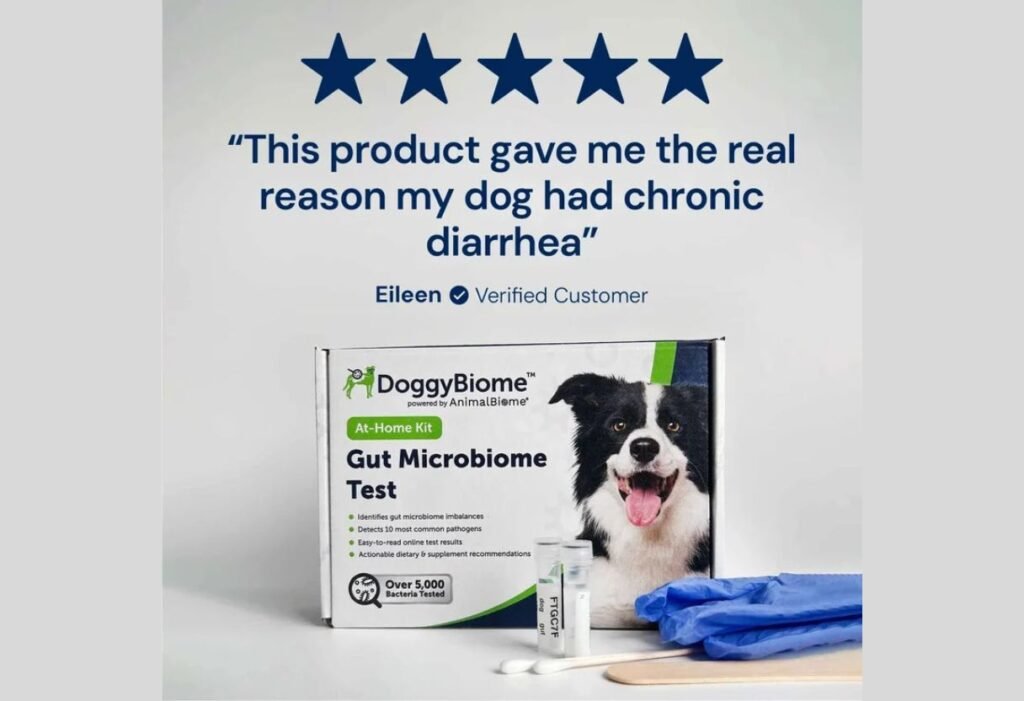
For Dachshunds with recurring digestive or skin ups-and-downs, the AnimalBiome Gut Health Test is a practical, owner-friendly way to understand what’s happening internally and to guide targeted, low-guesswork changes. It shines when you want evidence-based direction instead of trial-and-error. 🔎
Strongest fits include:
- On-off soft stools or mucus
- Gassy evenings or burping after meals
- Picky appetite or sudden food refusal
- Seasonal itching or paw-licking with no clear cause
- Post-antibiotic recovery where you want to rebuild balance thoughtfully
What it is not:
A replacement for a vet visit when symptoms are severe, acute, or systemic (vomiting, weight loss, blood, pain, or ongoing weakness).
If you value clear direction, careful tracking, and calmer routines for a small dog who thrives on predictability, this test aligns with how Dachshunds live — close to the floor, close to your heart, and extremely sensitive to change. 💛
Frequently Asked Questions
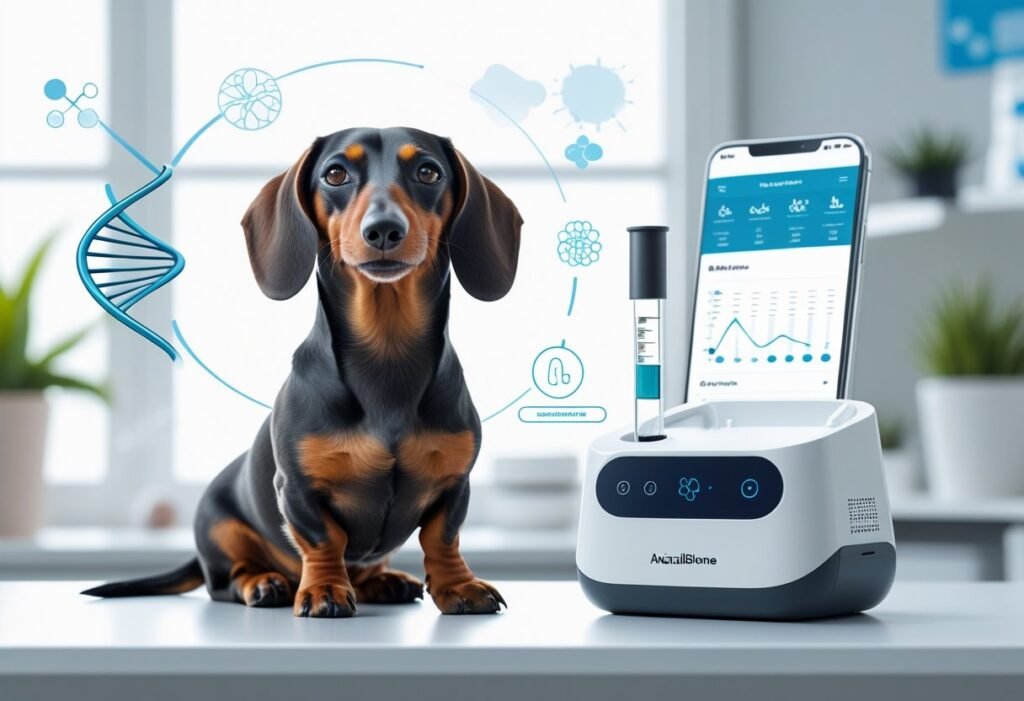
Gut health plays a much bigger role in Dachshund comfort than most owners realize. These common questions help clarify how the AnimalBiome Gut Health Test fits into real-life care for Doxies.
What are the benefits of a gut health test for my Dachshund? 🐾
It helps identify imbalances and low bacterial diversity that often sit behind loose stools, gas, itching, or inconsistent digestion. With that map, you can adjust diet, fiber, and probiotics more precisely instead of swapping foods endlessly.
Because Dachshunds are small and sensitive to change, even tiny targeted shifts can make a noticeable difference when guided by data rather than guesswork.
How does the AnimalBiome Gut Health Test differ from other dog microbiome tests? 🔬
Most tests give raw data — this one gives interpretable, action-ready guidance. The report compares your dog’s results to healthy reference ranges, highlights which bacterial groups are out of balance, and offers practical next steps for diet and supplementation.
It’s also built for at-home collection, making the process realistic for Dachshund owners.
Can the AnimalBiome Gut Health Test help with my Dachshund’s digestive issues? 🧩
The test itself does not treat issues, but it can connect symptoms to underlying patterns, showing what might be contributing to gas, loose stools, picky eating, or post-meal discomfort.
Many owners report steadier digestion and calmer behavior after applying the recommendations and retesting to monitor progress. For more serious or persistent symptoms, pairing results with vet guidance works best.
What do reviews say about the effectiveness of the AnimalBiome Gut Health Test for dogs? 🗣️
Reviews commonly mention that the test gives clarity and direction — reducing guesswork and unnecessary diet experiments. Owners say they feel more confident making changes when they understand the “why” behind them.
Reported improvements are most common when recommendations are followed consistently and tracked with a retest.
How often should I test my Dachshund’s gut microbiome? 📆
For a generally stable Dachshund, once a year is enough to monitor long-term gut balance.
If you’re making diet changes, recovering from antibiotics, or managing chronic issues, retesting 6–12 weeks after adjustments helps confirm whether the changes are working.
The goal is not constant testing — it is to measure, adjust, confirm, and then stabilize into a sustainable routine.