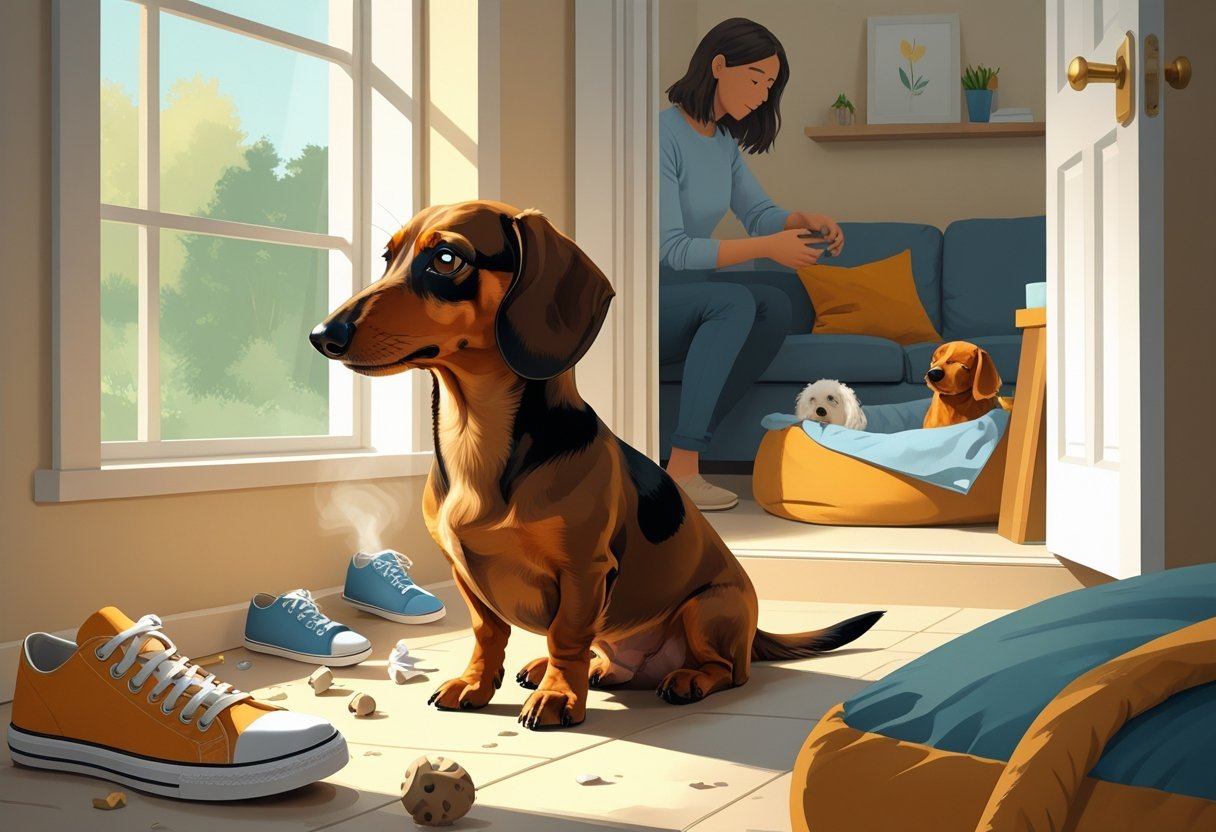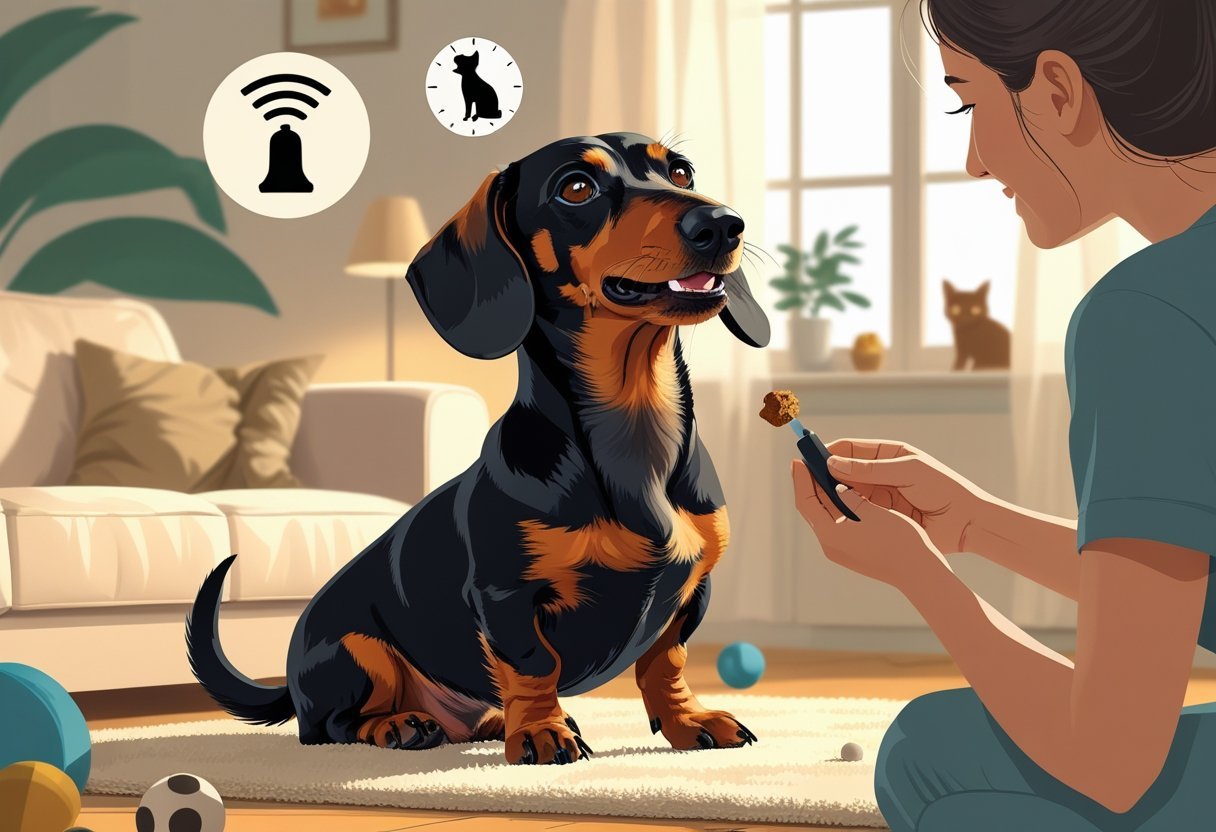
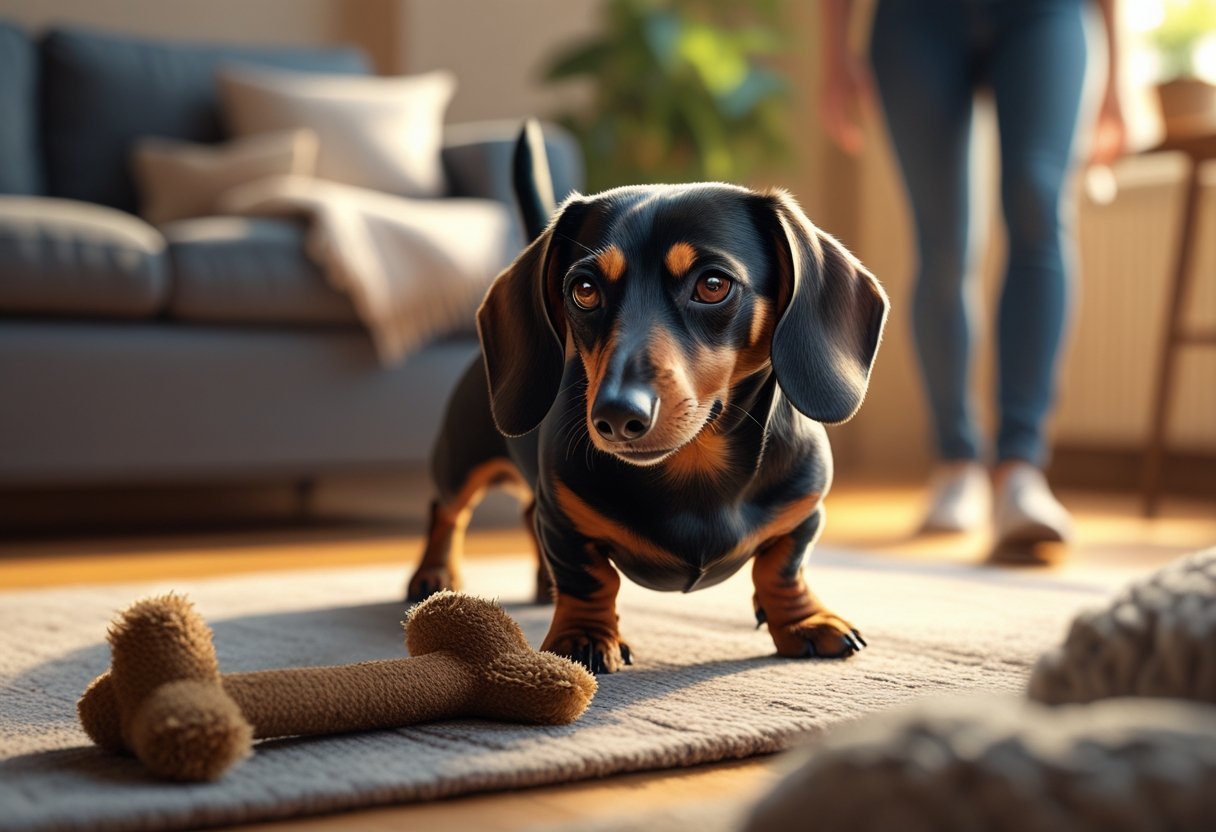
Dachshund resource guarding is a common behavior where your pup protects food, toys, or even favorite spots from people or other pets 🐾. Dachshunds have bold personalities, and while this trait makes them lovable, it can sometimes lead to guarding behaviors if not managed properly ⚠️.
The best way to address resource guarding is calm, consistent training with positive reinforcement—skip the punishment 🌱.
Usually, a dachshund guards things because of fear of losing something important 😟. Small signs like stiff body language or growling can grow into bigger issues if you ignore them 🚫.
Understanding why this happens makes it a lot easier to manage or prevent 💡.
Key Takeaways 📝
- Resource guarding is common in dachshunds, but you can manage it 🐶
- Positive reinforcement and consistency are the best tools 🎯
- Early training and prevention build trust and safety over time 🏡
🐾 Free Dachshund Care Guide
Download our free checklist to ensure your Dachshund stays happy, healthy, and well-loved!
Get Your Free Guide 🐶Understanding Resource Guarding in Dachshunds
Resource guarding happens when a dachshund feels it needs to protect something it values, like food, toys, or a resting spot 🐾. You might notice anything from subtle tension to growling or snapping 😟.
This behavior comes from natural instincts tied to safety and survival, even if it feels unnecessary in a cozy home 🏡.
What Is Resource Guarding ❓
Resource guarding means a dog tries to control access to something—an item, space, or even a person 🐶. In dachshunds, it usually pops up when they think something important could be taken away.
Dogs once had to defend resources to survive, and while modern pets don’t face those struggles, that instinct can stick around 🌱.
Guarding can happen with food bowls, chew toys, bones, or a favorite spot on the couch 🛋️. Some dachshunds even guard their owner’s attention ❤️.
The intensity of guarding varies, but it’s usually about fear of loss, not stubbornness ⚠️.

🛡️ The Swiftest – Protect Against Resource Guarding Emergencies
Resource guarding can sometimes lead to unexpected vet visits or injuries. Compare trusted pet insurance plans to keep your Dachshund safe and your mind at ease.
- Quickly compare top insurance providers 🐾
- Find coverage for behavior-related injuries 🩺
- Peace of mind knowing you’re prepared ❤️
Common Triggers in Dachshunds 🎯
Food is a big trigger. A dachshund might stiffen or growl if someone comes near while it eats 🍽️.
High-value treats like bones or chews often spark guarding too 🦴.
Toys and playthings can cause similar reactions. If a toy is a favorite, the dog may try to keep everyone else away 🧸.

Resting places, like a bed or a corner of the couch, can also become guarded territory 🛏️.
Some dachshunds guard people, especially if they’re extra attached to one family member. The dog may block access or get uncomfortable when others approach 👨👩👧👦.
Spotting these triggers early helps you step in before things get out of hand 💡.
Signs of Resource Guarding Behavior 👀
Signs range from subtle body language changes to more obvious aggression. Early cues include stiff posture, lowered head, or a hard stare 😠.
If things escalate, you’ll see growling, baring teeth, snapping, or lunging when someone gets close 🚫. Some dachshunds hover over or cover the item with their body.
Other hints: quick eating when approached, carrying toys to hidden spots, or blocking access by standing over the object 🔍. Spotting these signs early lets you respond calmly and start training before things get risky ⚡.
Causes of Resource Guarding in Dachshunds
Resource guarding in dachshunds usually comes from a mix of inherited traits, environment, and past experiences 🐾. Each factor changes how much a dog wants to protect its stuff.
Genetic Predispositions 🧬
Dachshunds started out as hunting dogs. They had to work alone and sometimes compete for resources 🌳.
This history can make them more likely to show guarding than other breeds 🐕.
Guarding valuable things is a survival instinct. Even though most pets don’t need to fight for food, it can linger in some dachshunds 🍽️.
Some dogs inherit a more assertive or possessive personality. If they really love their belongings, guarding is more likely ❤️.
Traits linked to genetics:
- Strong food motivation 🥗
- Independent problem-solving 🧠
- Territorial instincts 🏡
🧩 Brain Training for Dogs – Curb Guarding Through Positive Play
Resource guarding can improve with trust-building games. Fun, simple activities teach your Dachshund to share, relax, and feel safe around valued items.
- Boosts confidence and reduces guarding stress 🌟
- Positive reinforcement methods—no harsh corrections 🎾
- Strengthens your bond while improving behavior ❤️
Environmental Influences 🌱
The environment shapes a dachshund’s reaction to resources. If food or toys are scarce, a dog may guard them 🧸.
Competition with other pets can make things worse. If two dogs eat side by side, one might start guarding its bowl 🐶.
How you act matters too. If you take things away without offering a trade, or punish growling, guarding can get worse ⚠️.
Dogs learn to defend harder if they always feel at risk of losing stuff 😟.
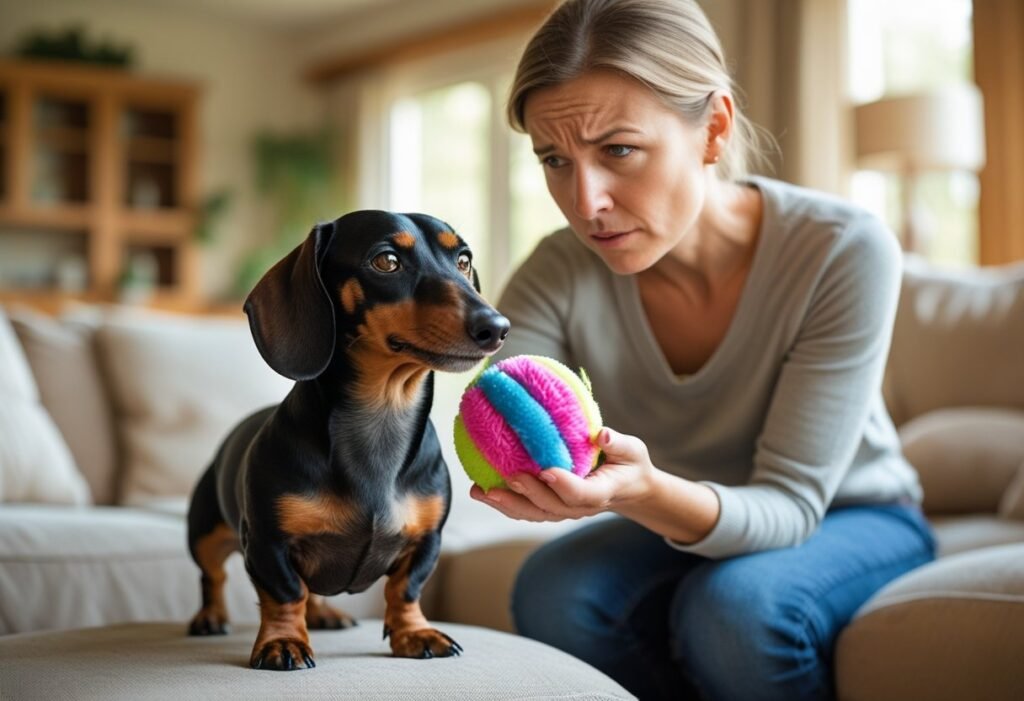
Environmental triggers include:
- Multi-pet homes with shared resources 🐾
- Sudden removal of toys or treats 🎁
- Inconsistent feeding times ⏰
A steady, predictable environment helps reduce guarding 🌟.
Past Experiences 🕰️
Past experiences really shape guarding. If a dachshund was neglected, underfed, or forced to compete for food, those habits can stick into adulthood 🐕.
Negative interactions with people matter too. If a dog was scolded or had things taken away roughly, it may become defensive 😔.
Even one bad experience can have a long-term effect. For example, if a puppy loses its favorite toy over and over, it might grow up holding possessions tighter 🧸.
Common past factors:
- History of food scarcity 🍴
- Rough handling of possessions 🚫
- Early competition with littermates 🐾
Identifying Resource Guarding Triggers
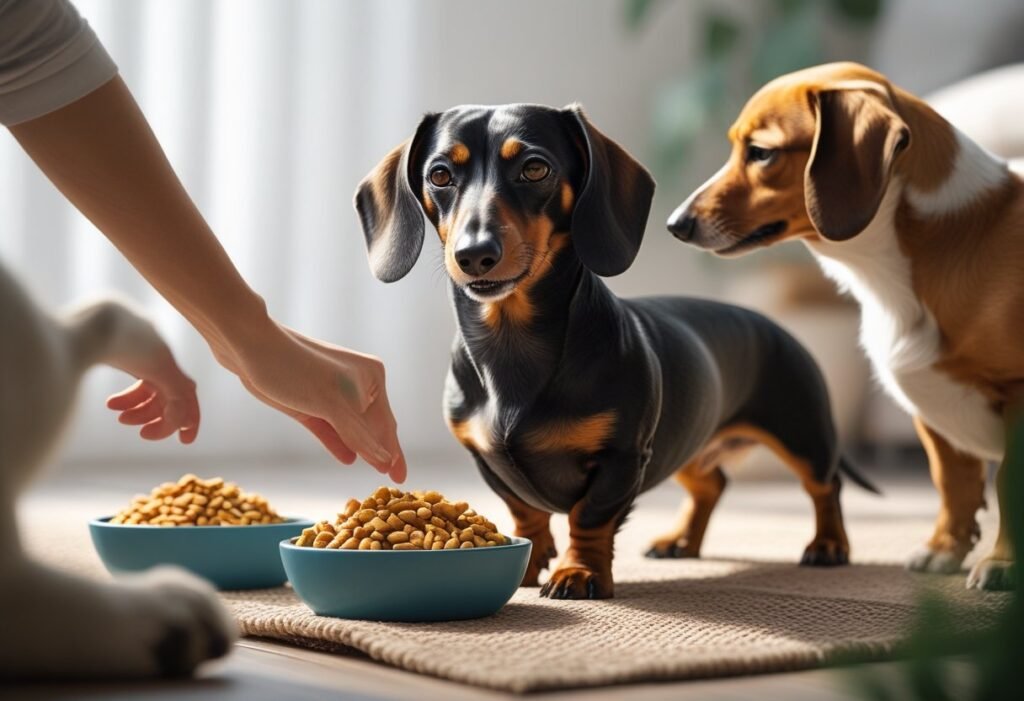
Dachshunds guard food, toys, or spaces when they feel access is threatened 🐾. Figuring out what sets them off is the first step to lowering tension and avoiding aggressive moments 💡.
Food-Related Guarding 🍽️
Food is a huge trigger for resource guarding in dachshunds. A dog might stiffen, growl, or hover over its bowl to warn others away, especially at mealtimes or with special treats 🦴.
Watch for subtle signs like tense posture or eating faster—these can signal food guarding before it gets worse ⚠️.
Key signs:
- Growling near the food bowl 🐶
- Blocking access with their body 🚫
- Eating faster when someone comes close ⏩
Food aggression training uses positive reinforcement 🌟. Try teaching your dog that a hand near the bowl means more food, not less. Punishment usually backfires and increases fear 😟.

🍲 ChefPaw Dog Food Maker
- Create balanced, fresh meals at home
- Control ingredients to prevent food guarding triggers
- Helps build predictable, stress-free mealtime routines

🌱 Wild Earth Complete Protein Dog Food
- Clean, plant-based ingredients your dog will love
- Supports long-term health and balanced energy
- Gentle on sensitive stomachs prone to stress
Toy and Object Guarding 🧸
Lots of dachshunds guard toys, bones, or chews. Some will carry a toy to a corner and growl if you try to take it 🐾.
This can include random objects like socks or shoes if the dog finds them valuable 👟.
Figure out which items trigger guarding. Some dogs only guard rare chews, while others will guard almost anything 🎁.

Keep in mind:
- Guarding gets worse with rare or favorite toys ⚠️
- Trying to forcibly take items usually backfires 🚫
- Trading the item for a reward works better 🎯
Structured training helps. Teaching “drop it” or “trade” builds trust and lets you handle objects without drama 🤝.
Space and Territory Protection 🛏️
Dachshunds sometimes guard spaces like the couch, bed, or crate. They might growl or snap if someone tries to join them in these spots 🐶.
This usually comes from a sense of ownership or wanting to feel safe ❤️.
Space guarding can be sneaky. A dog might block a doorway, claim a spot on the couch, or refuse to leave its bed 🚪.
Common examples:
- Growling when someone sits nearby 😠
- Refusing to leave a resting spot 🐾
- Blocking another pet from entering a space 🐕
Consistency is key here 🎯. Teaching your dog to move on command and rewarding calm behavior helps 🌱. Giving them a designated safe space like a crate lets them feel secure without controlling shared areas 🏡.
Effective Strategies to Stop Resource Guarding
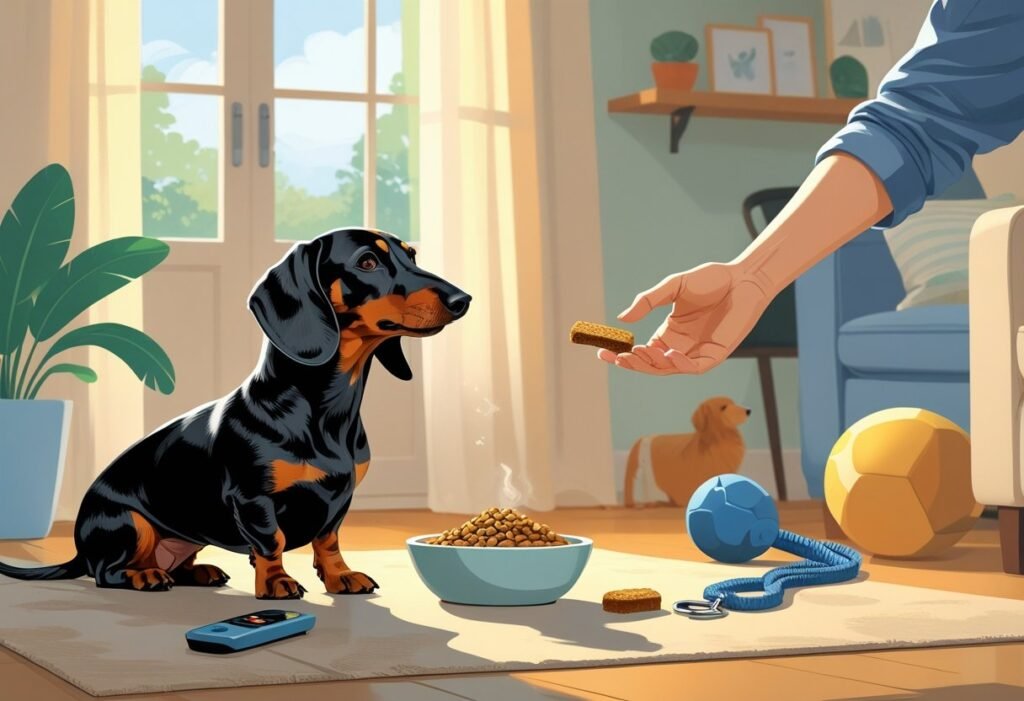
Training a dachshund out of resource guarding takes calm, steady steps 🐾. You can help your dog feel better about people being near their stuff, and set up your home to prevent sticky situations 🏡.
Desensitization Techniques 🌱
Desensitization helps a dachshund feel less threatened when someone comes near its food, toys, or resting spot 🐕. The process starts with gentle exposure and builds up slowly.
For example, you might stand several feet away while your dog eats. Over time, you can move a little closer as your dog stays relaxed 🍽️.
Go at your dog’s pace. If you see stiffening, growling, or bared teeth, you’ve pushed too far ⚠️. Step back to the last spot where your dog felt calm.
Keep sessions short and positive ✨. Don’t rush—slow and steady wins here.
A simple plan might look like this:
- Step 1: Start at a safe distance. 🐾
- Step 2: Move a bit closer once your dog remains calm. 🌟
- Step 3: Repeat for several days, rewarding calm behavior. 🎯
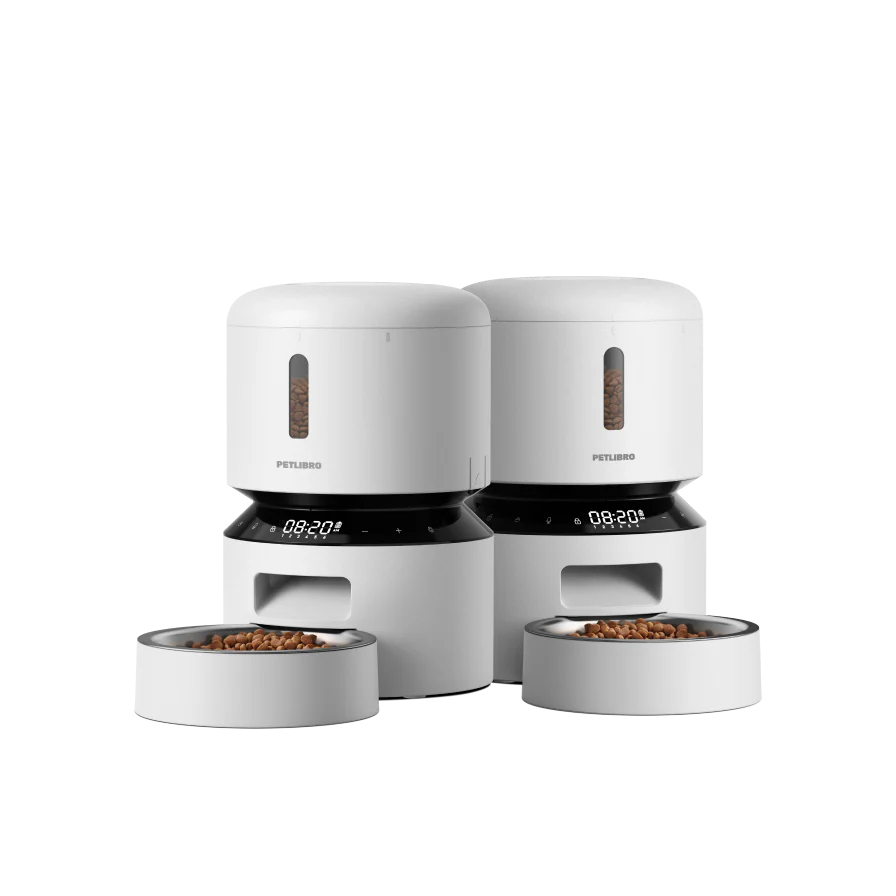
🍽️ PETLIBRO Automatic Feeder
- Provides consistent, stress-free meal schedules
- Helps prevent food guarding by reducing competition
- Supports calm, predictable feeding routines
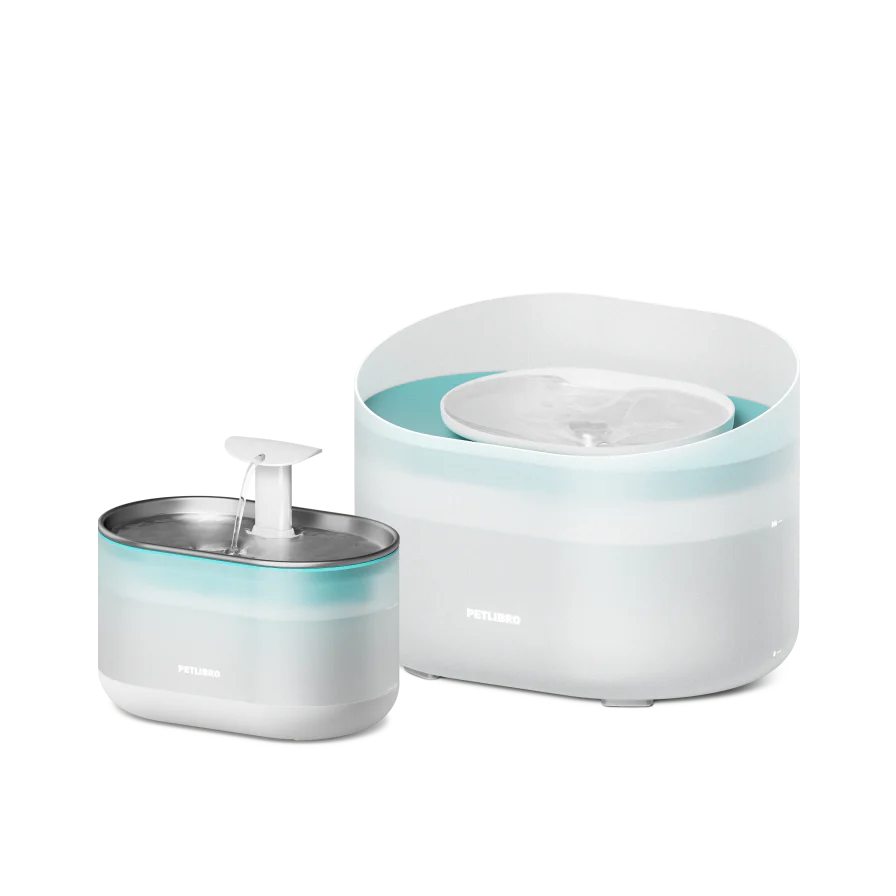
💧 PETLIBRO Water Fountain
- Fresh, flowing water encourages regular hydration
- Minimizes disputes over shared water bowls
- Quiet design for a relaxed, calm environment
Counter-Conditioning Methods 🎁
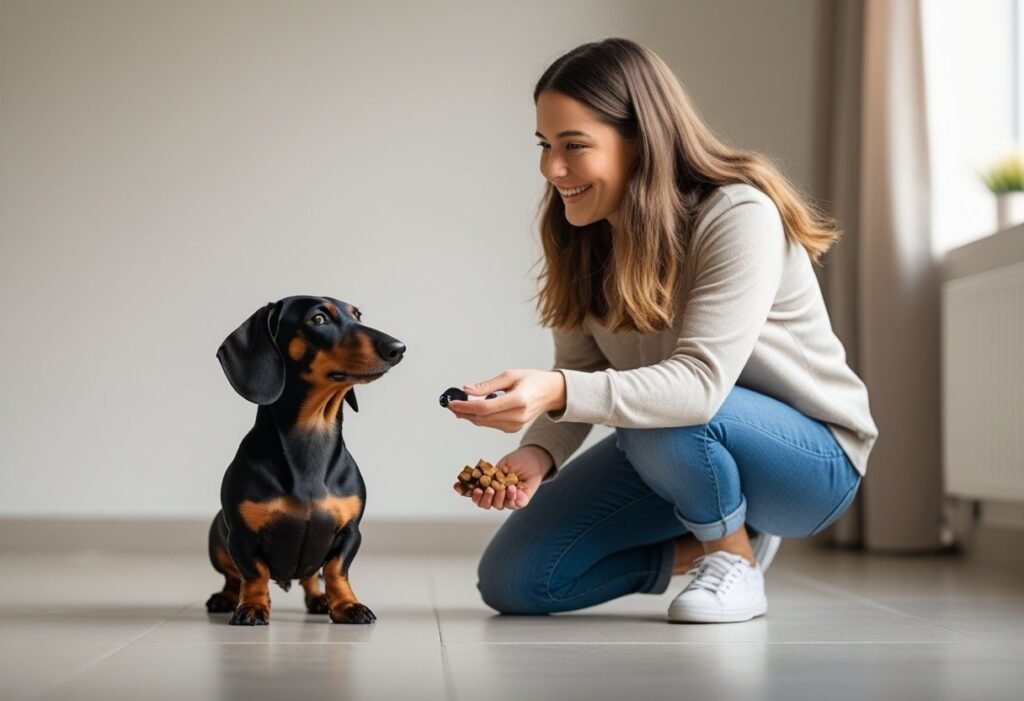
Counter-conditioning changes how your dog feels about a trigger. Instead of seeing a hand near the food as a threat, the dachshund learns it means treats are coming 🍖.
Try tossing a high-value treat into the bowl while your dog eats. Now, your hand signals something good, not a loss 🥗.
🎉 Grab your free Dachshund care checklist!
Over time, your dog will start to relax instead of guarding 🌼. Don’t rush—building a positive link matters more than taking things away.
Stick with rewards and stay consistent 💡. That’s how your dachshund will stop feeling the need to defend.
Managing the Environment 🏠
Management helps prevent guarding triggers before training really takes hold. If your dog guards certain items, don’t leave them out all the time 🧸.
Give chews or bones only during quiet moments, then pick them up afterward 🦴. Feeding your dachshund in a separate room or crate makes things calmer too.
Keep kids and guests away while the dog eats or has prized toys to prevent accidental problems 🚪.
Here are a few simple steps:
- Feed separately from other pets. 🐶
- Remove items that often trigger guarding. 🎁
- Supervise play with toys to stay ahead of problems. 👀
Food Aggression Training for Dachshunds

Food aggression training in Dachshunds is all about predictable routines and teaching calm around meals 🐾. Using structure, rewards, and gentle handling—never punishment—can really reduce stress at mealtimes 🍽️.
Structured Feeding Routines ⏰
A set feeding routine cuts down on anxiety and guarding. Dachshunds do best with meals at the same times every day instead of having food left out 🐶.
This predictability lowers defensive behavior. Feeding in a quiet spot away from other pets helps too 🌱.
Fewer distractions mean your dog can eat in peace 😌. If you’ve got more than one dog, use separate bowls and spaces.
Some people teach their dachshund to sit calmly before putting the bowl down 🙇. It’s a small thing, but it encourages patience and sets a respectful mood for meals.
Over time, your dog will figure out that calm behavior gets the food 🥗.

📹 Petcube Cam 360
- Monitor guarding behaviors when you’re away
- Two-way audio to calm your dog during tense moments
- Stay connected for peace of mind anytime
📍 Tractive DOG GPS Tracker
- Track your Dachshund in real time to prevent escape risks
- Set safe zones to avoid territorial guarding outdoors
- Durable, waterproof design for worry-free adventures
Positive Reinforcement Approaches 🌟
Reward-based training works wonders for food aggression 🎯. Instead of scolding for growling or snapping, reward calm behavior with praise or a treat.

One easy way: walk up to your dog’s bowl while they eat and drop in something better, like cooked chicken 🥦. Now, your approach means good things, not threats.
Gradually, you can teach your dachshund to accept hands near the bowl, or even to let you remove and return food 🐾. Go slow and keep things positive. The goal is trust, not control ❤️.
Avoiding Common Mistakes ⚠️
Some things just make food aggression worse. Taking food away suddenly or punishing growling usually increases fear and guarding 🚫.
Free-feeding (leaving food out all day) isn’t great either. It removes structure and can encourage possessiveness 🍴.
Move through training steps slowly. If your dog seems stressed, back up and try an easier step 💡. Patience matters more than speed 🌼.
Working With Professionals
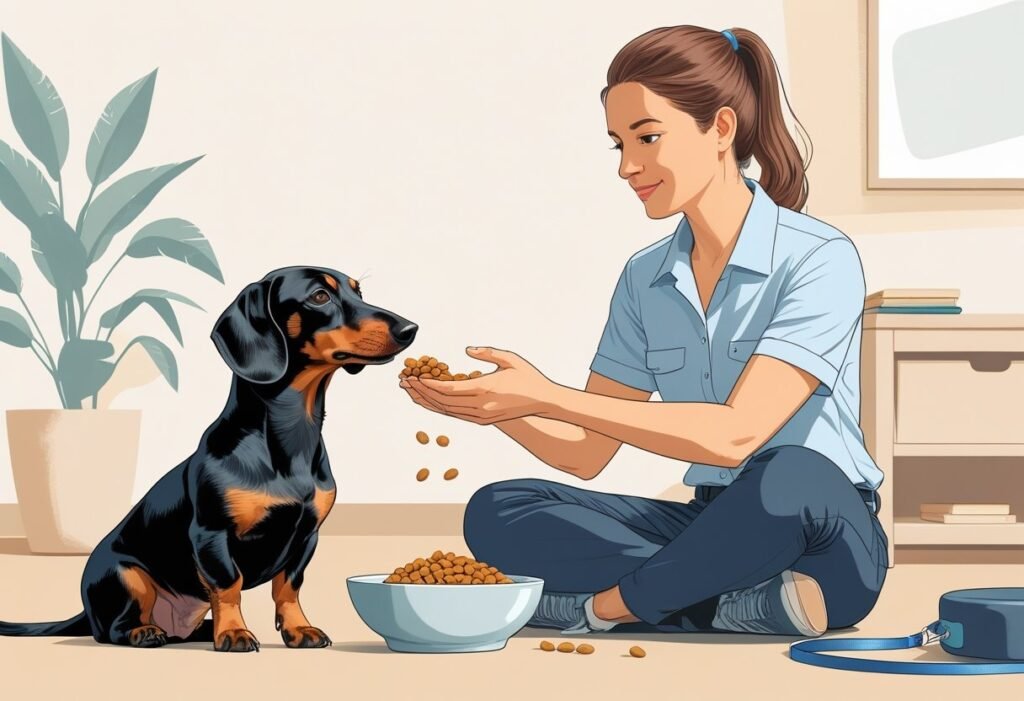
Some dachshunds need more than at-home training to deal with resource guarding 🐾. Professional help can offer safe strategies and reduce stress for everyone involved 🌟.
When to Seek Professional Help 🐕
If your dachshund shows aggression like growling, snapping, or biting when guarding, it’s time to consider professional help ⚠️. These behaviors can get worse if not handled right.
If your positive training efforts at home aren’t working, outside support can make a difference 💡. A trainer or behaviorist can design a structured plan that fits your dog’s triggers and your environment.
If guarding goes beyond food and toys—think couches or beds—it can impact daily life and create household tension 🛋️.
Professional support is especially key if you have kids or other pets 👨👩👧👦. A specialist will prioritize safety while working to reduce guarding.
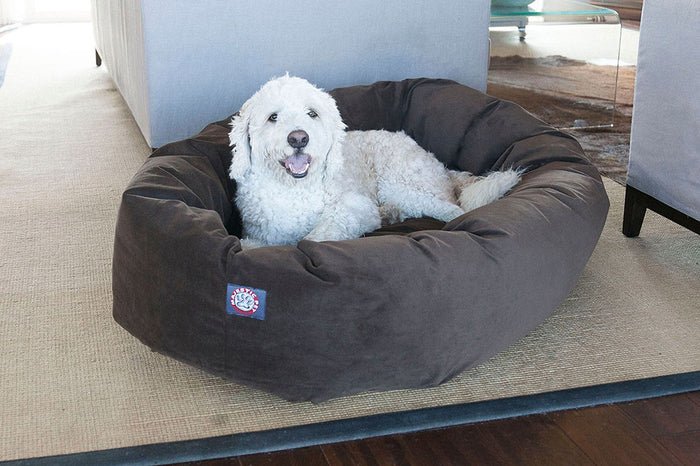
🛏️ Majestic Pet Orthopedic Bed
- Provides a safe, cozy spot your Dachshund won’t need to guard
- Extra joint support for stress-free rest
- Encourages calm behavior through better sleep
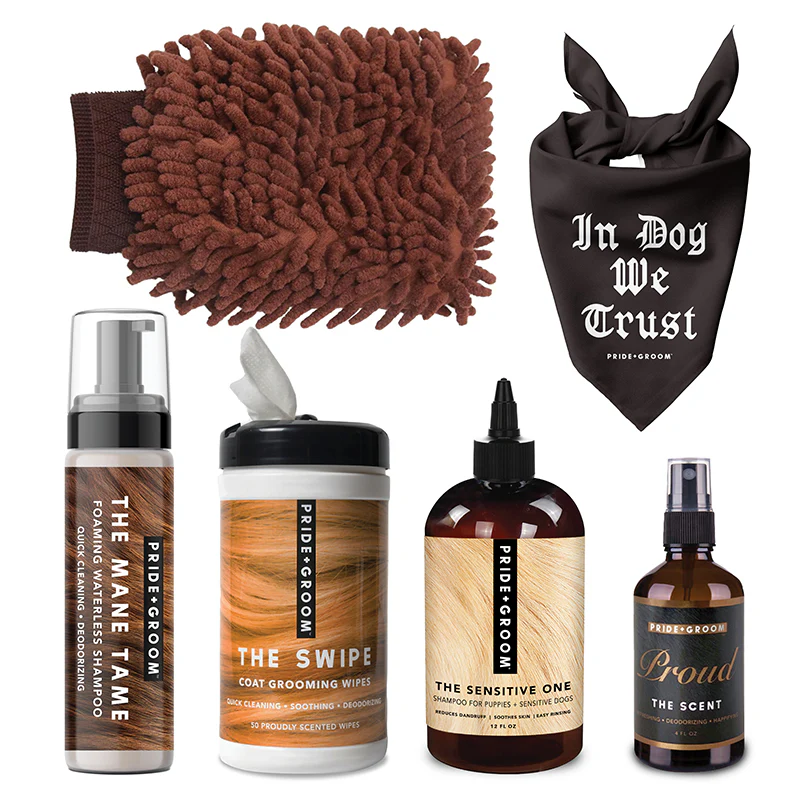
🪮 Pride + Groom Grooming Tools Kit
- Gentle tools help reduce stress during grooming
- Turn grooming time into positive bonding moments
- Promotes relaxation and lowers guarding tension
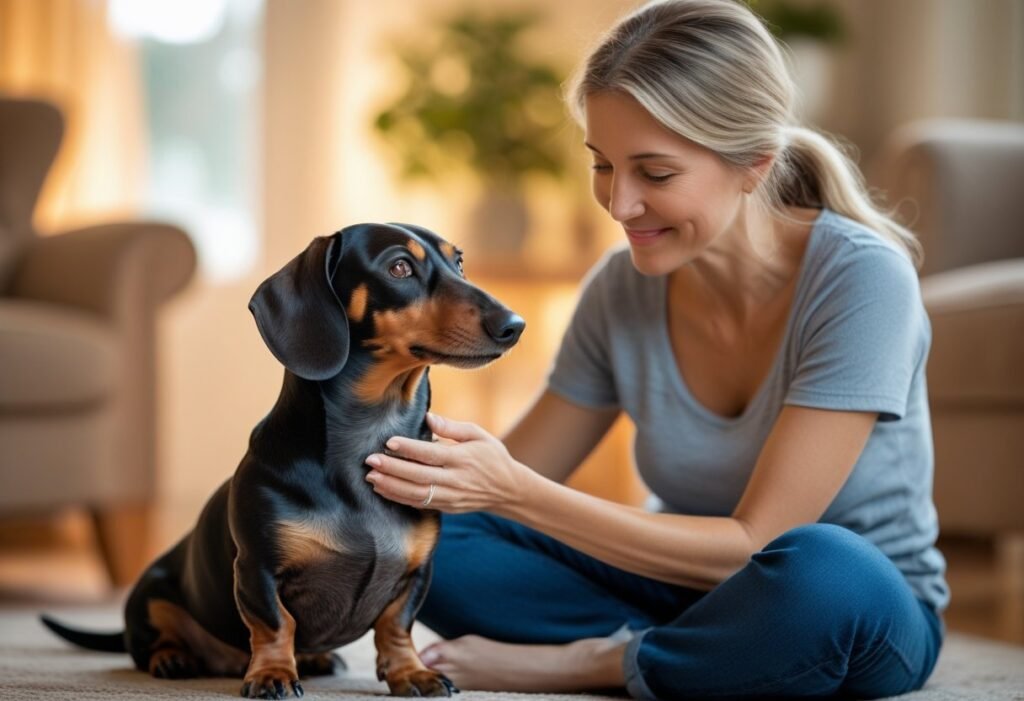
Choosing a Qualified Trainer 🎓
Not all trainers are the same, so picking the right one matters 🎯. Look for someone who uses positive reinforcement and avoids harsh corrections—punishment can make things worse 🚫.
A qualified trainer or behaviorist should have experience with resource guarding cases 🐶. Certifications from groups like IAABC or CCPDT are a solid sign 📜.
When you’re checking out trainers, ask:
- What methods do you use? ❓
- Have you worked with dachshunds or small breeds before? 🐾
- How do you involve owners in the training process? 🤝
Read reviews, ask for references, and—if you can—watch a session 👀. You’ll get a feel for whether their approach fits your needs.
Prevention and Long-Term Management
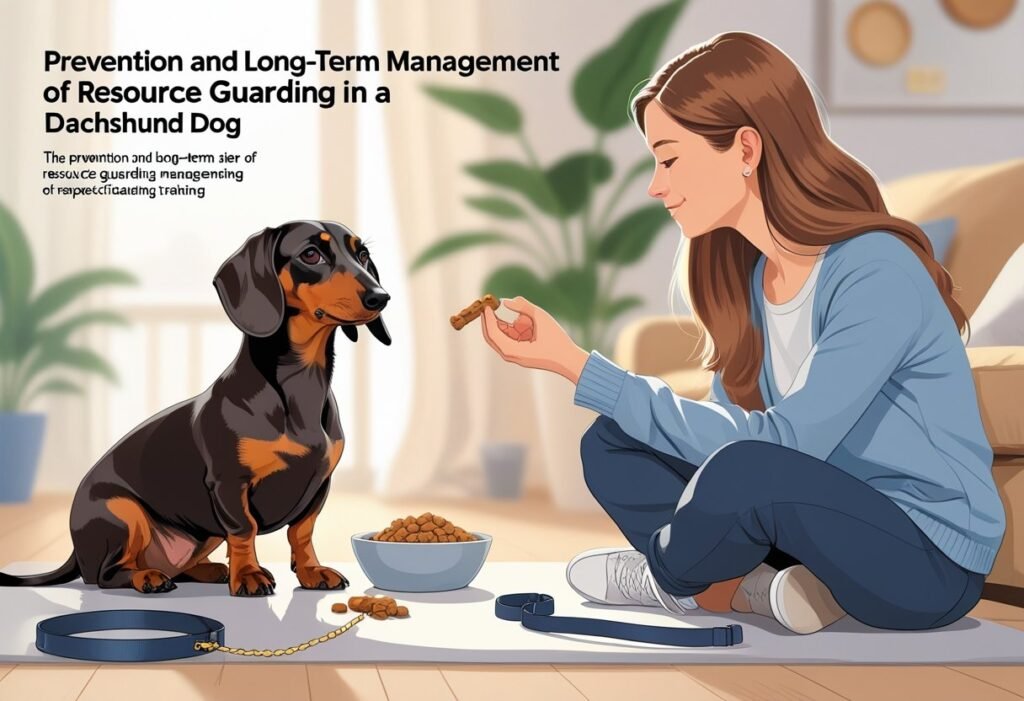
Preventing resource guarding in dachshunds takes steady training and attention to daily routines 🐾. Focus on early positive experiences and keep adjusting as your dog grows or changes 🌱.
Early Socialization Practices 🐶
Letting your dachshund meet different people, pets, and places early on lowers the chance of guarding 🌍. Puppies that learn to share food and toys usually have fewer issues as adults.
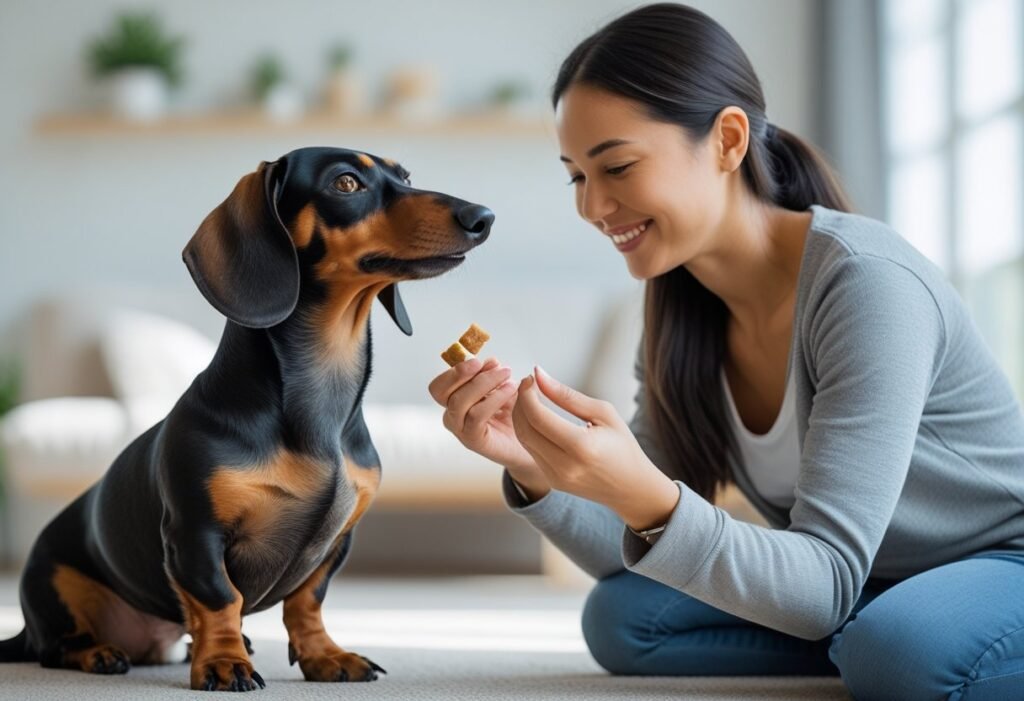
Create positive associations by pairing interactions with high-value rewards—small treats or gentle praise work great 🎁.
For example:
- Touch the food bowl → give a treat 🍪
- Approach during play → offer praise 😊
- Swap toys → trade for another toy 🧸
These steps show your puppy that people near their stuff aren’t a threat ❤️. Keep early exposure calm and consistent; never force things or punish 🚫.
Structured feeding routines help too. Feed in predictable spots and pick up leftovers after a set time ⏰. Consistency builds trust and makes meals less tense 🍽️.

🌿 Zomalka Anxiety Relief Drops
- Helps calm stress that can trigger guarding
- Promotes relaxation in tense situations
- Safe, natural support for sensitive Dachshunds

🧬 AnimalBiome Gut Health Test Kit
- Understand how gut health impacts behavior
- Simple, at-home testing for peace of mind
- Personalized care plan to support balance
Ongoing Monitoring and Adjustment 👀
Dachshunds change as they grow, so keep an eye out for subtle signs of guarding—stiff posture, growling, blocking access ⚠️. Catching these early stops bigger problems later.
Keep training part of daily life 🌟. Practice “trade” commands or reward calm sharing to reinforce good behavior 🤝.
It’s smart to keep a behavior log of triggers, progress, and setbacks 📝. That way, you can adjust your approach if patterns pop up.
If guarding sticks around or gets worse, don’t wait—reach out to a trainer or behaviorist 🚪. Early help keeps everyone safer 🐕.
Impact of Resource Guarding on Family and Other Pets
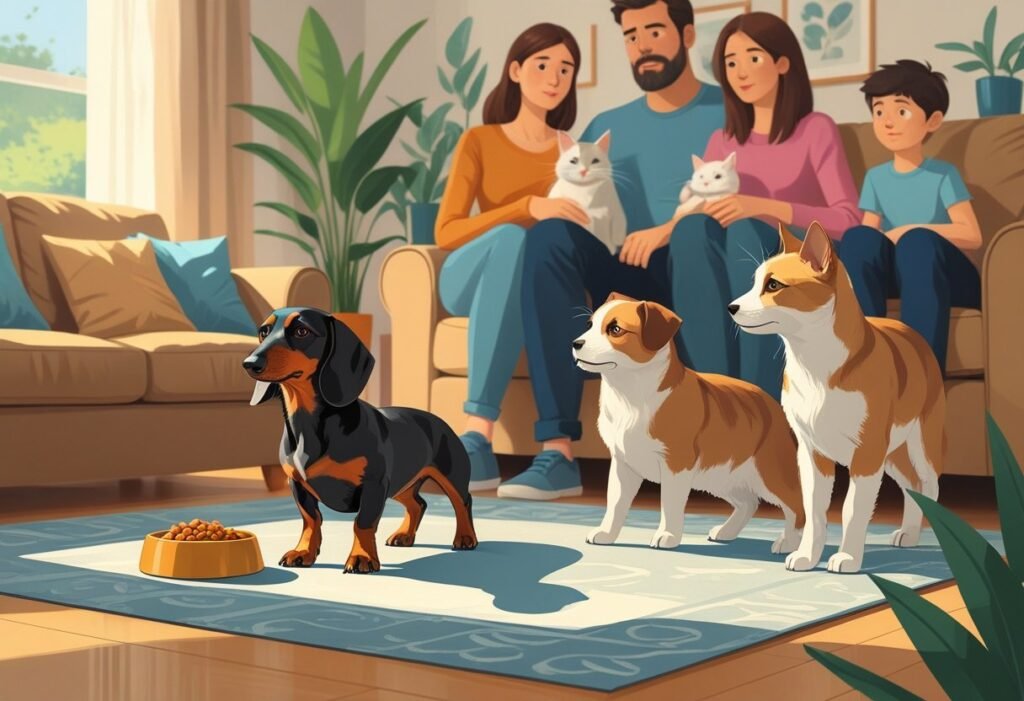
Resource guarding can make home life tense for people and pets 😟. It may lead to safety worries, fights between animals, and stress for family members if not handled well 🐾.
Safety Measures at Home 🏡
If a dachshund guards food, toys, or resting spots, family members might get snapped at if they get too close ⚠️. Kids are especially at risk—they often miss the warning signs like stiff posture or growling 👶.
Set clear rules for everyone:
- Don’t disturb the dog while eating. 🍽️
- Avoid grabbing things straight from the dog’s mouth. 🚫
- Teach kids to respect the dog’s space. ❤️
Use separate feeding areas and baby gates or crates to keep boundaries clear 🚪. This helps your dog feel less cornered and prevents accidents.
Reward-based training helps too 🎁. Pairing your approach with treats or praise teaches your dog that people near their stuff aren’t a threat. Over time, this can really lower defensive behavior 🌟.
🧡 Tools to Prevent and Manage Resource Guarding
- 📹 Petcube 2 Bites — Watch your Dachshund’s behavior in real-time and offer treats remotely to reward calm moments during training.
- 🛗 Majestic Pet Pet-Stairs — Give safe access to beds and couches while reducing stress and preventing guarding over favorite spots.
- 🧬 AnimalBiome Gut Restore Supplement — Promotes better mood and balanced behavior through a healthy gut-brain connection.
- 🎒 Embark Pet Adventure Harness — Walk confidently with extra control during training sessions or when redirecting guarding behavior.
Managing Multi-Pet Households 🐕🐾
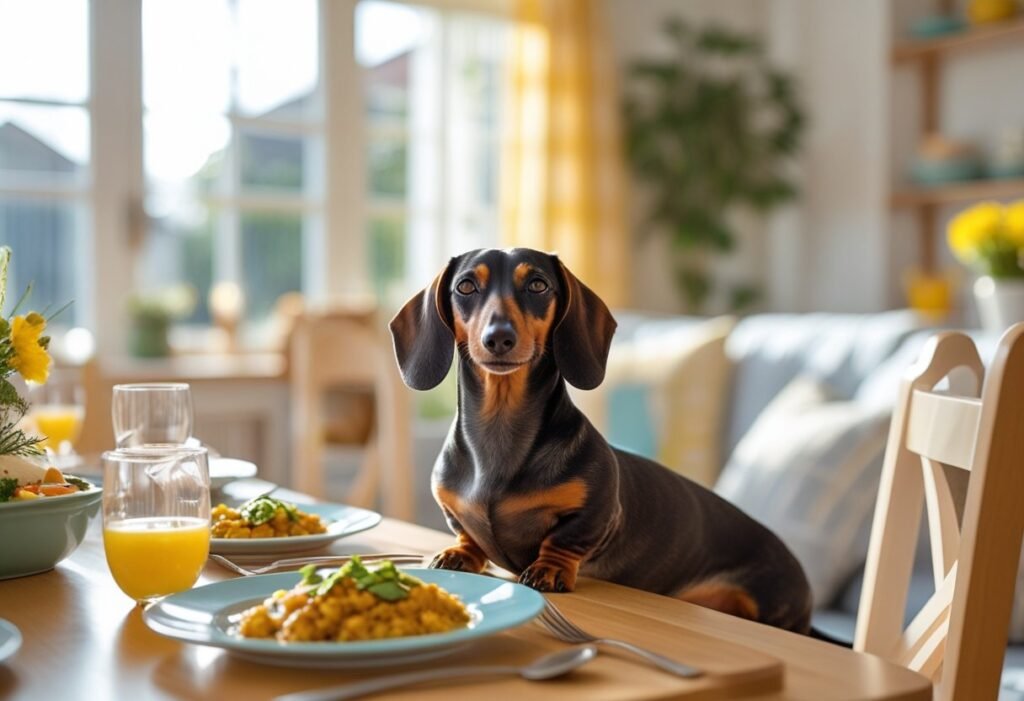
In homes with more than one pet, resource guarding can spark fights over food bowls, toys, or even your attention 🐾. Dachshunds sometimes block other pets or act aggressive to keep control of things they value.
Feeding pets in separate spaces helps a lot 🍴. Give each pet its own bowl, and serve meals at the same time so no one feels left out or competitive.
Rotate toys and limit access to high-value things 🎲. For example, hand out chew bones when pets are apart, and pick them up when they’re done.
Watch body language closely 👀. If a pet stiffens, stares, or growls, calmly redirect and give everyone some space.
Sticking to these routines lowers stress and helps pets feel more secure 🌱. It can take a little time, but it’s worth it ❤️.
Myths and Misconceptions About Dachshund Resource Guarding
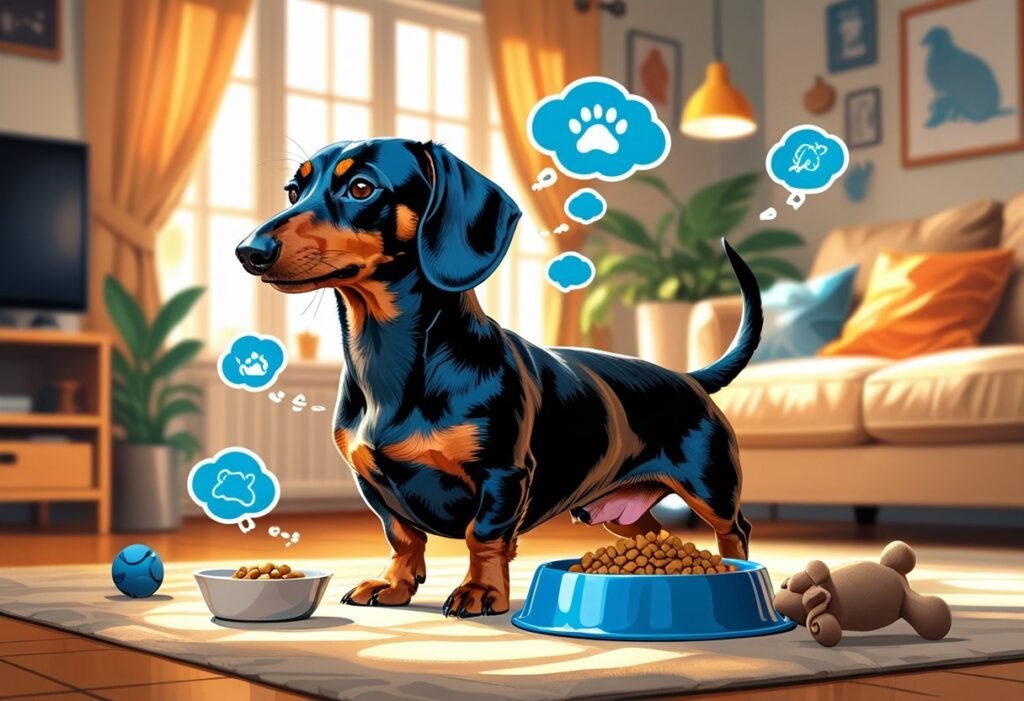
Many people think resource guarding is rare or always means a dog is aggressive 😟. That’s just not true. Understanding what causes this behavior and sorting fact from fiction helps you avoid mistakes that can make things worse 🐾.
Common Misunderstandings ⚠️
One myth says resource guarding is abnormal. Actually, it’s a natural instinct for dogs to protect food, toys, or favorite spots 🐕. Dachshunds can be especially obvious about it because they’re bold and protective by nature 💪.
Another misconception is that dogs guard things to be “dominant.” Most of the time, it’s not about rank—it’s about fear of losing something important 😔. If you treat it like a dominance issue and use harsh corrections, you can make your dog even more stressed.
Some folks think giving unlimited resources will stop guarding. Leaving food out all day or piling on extra toys doesn’t usually help, since the real issue is feeling safe with valued items—not just scarcity 🧸.
There’s also the idea that punishing growling will fix it. But growling is a warning signal, not a crime 🚫. If you punish it, your dog might skip the warning next time and go straight to biting, which is a lot more dangerous ⚡.
💛 Helpful Extras to Reduce Resource Guarding Stress
- 🎯 Coastal Pet Harness – Provides safe, controlled walks to prevent tension and guarding during outings
- 🌱 Innovet PurCBD Oil – Natural calming support to ease anxiety and reduce guarding triggers
- 🛁 King Klean Dog Shampoo – Gentle cleansing to keep your Dachshund comfortable during grooming sessions
- 🎨 Purr & Mutt Personalized Dachshund Art – A meaningful keepsake that celebrates your dog’s progress and love
- 👕 Dog is Good T-shirt – Share your journey and pride in caring for your Dachshund in style
🐾 Little additions that bring harmony to your home and help make resource guarding easier to manage.
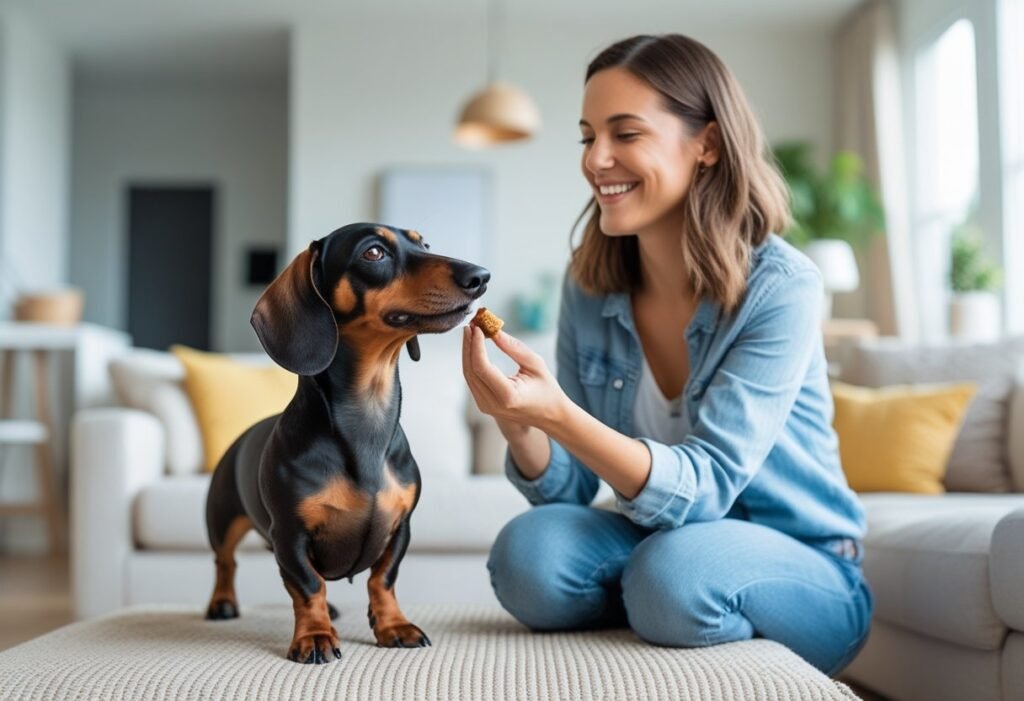
Facts Versus Fiction 🐶
Resource guarding is normal but manageable 🌟. With positive training methods—like trading items for treats, teaching “drop it,” and rewarding calm behavior—dogs can learn to relax when people are near their stuff 🥗.
Genetics can play a role, but environment and training matter more 🌱. A dachshund raised with patience and clear boundaries is less likely to guard.
Resource guarding doesn’t mean your dog is aggressive all the time ❤️. Many dachshunds who guard food are otherwise sweet and friendly.
🐾 Don’t Miss Out!
Download our free Dachshund care guide to keep your furry friend happy and healthy.
Get Your Free Guide 🐶Frequently Asked Questions
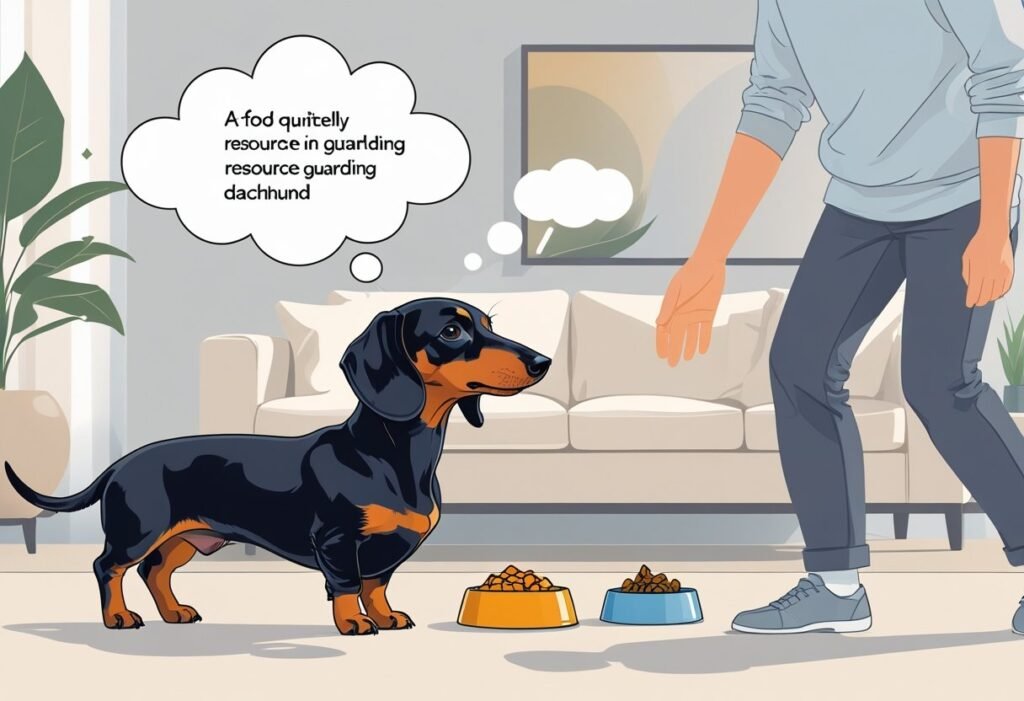
Resource guarding in dachshunds shows up in lots of ways, from subtle body language to clear warning signs 🐾. Training, prevention, and understanding what’s really behind the behavior all matter if you want to handle it safely 🌟.
How can I prevent my dog from developing resource guarding behaviors? 🐶
You can help by teaching your dachshund that people coming near food or toys is a good thing 🎁. Offer treats, praise, or play when your dog lets you near their stuff. Consistency and starting early make a big difference 💡.
What are the signs that a dog is resource guarding? 👀
Look for growling, snarling, stiff posture, or snapping when someone gets close to food, toys, or even a bed ⚠️. Some dogs just freeze or hover over the item to block you.
Are certain breeds more prone to resource guarding than others? 🐕
Any dog can guard resources, but breeds bred for hunting or guarding—like terriers and certain guard dogs—might do it more 🔍. Dachshunds, with their strong hunting instincts, can be pretty prone to it too.
What should I do if my dog shows aggression when guarding their food or toys? 🚫
Stay calm and don’t punish your dog, since that can make things worse 😟. Step back, give them space, and work on training exercises that build positive feelings about sharing ❤️. If things get serious, don’t hesitate to call in a pro trainer or behaviorist.
Can training techniques help resolve resource guarding issues in dogs? 🌱
Absolutely—positive reinforcement training works 🎯. Reward calm behavior when your dog lets you near their things. Avoid harsh corrections, since those usually just make guarding worse.
Is resource guarding a sign of underlying anxiety or stress in dogs? 😥
Honestly, it often is. Guarding can come from insecurity or a fear of losing something valuable 💔.
Sometimes, dogs develop this habit because they had limited resources in the past 🐾. Building confidence with training and sticking to a routine might help ease the behavior 🌼.