

Owning a Dachshund means accepting both their charm and their unique health risks. Their long backs and short legs give them a distinctive look — but they also increase the likelihood of spinal problems and other breed-specific conditions. When something goes wrong, veterinary costs can rise quickly, sometimes reaching thousands of dollars within days.
That’s where Dachshund insurance becomes part of the conversation.
For many owners, the real question isn’t whether their dog will ever need medical care — it’s whether they’ll feel financially prepared if a serious issue happens unexpectedly. Emergency surgery, advanced imaging, and long-term rehabilitation are not uncommon for this breed.
Insurance doesn’t prevent illness or injury. What it can do is reduce hesitation in high-pressure moments. Instead of weighing cost against care, you’re able to focus on making the right medical decision for your dog.
The key is understanding what coverage truly includes, how it applies to common Dachshund conditions, and whether it aligns with your financial comfort level.
Key Takeaways
- Dachshunds face higher risks of spinal and hereditary conditions that can lead to expensive veterinary care.
- Pet insurance policies vary widely in coverage limits, waiting periods, and exclusions — details matter.
- The right plan should match both your dog’s health risks and your ability to handle unexpected costs.
Understanding Dachshund Insurance

Dachshund insurance helps protect against high veterinary expenses and supports care for breed-specific health risks. Understanding how coverage works makes it easier to choose a plan that fits your dog’s needs.
What Is Dachshund Insurance?
Dachshund insurance is a health and accident policy designed to cover medical expenses such as exams, diagnostics, surgery, and medications.
You pay a monthly premium, and after meeting your deductible, the insurer reimburses a percentage of eligible expenses. Most plans include:
- Accident coverage (broken bones, cuts)
- Illness coverage (cancer, infections)
- Optional wellness care (routine check-ups, vaccines)
Some policies offer add-ons such as dental coverage or prescription diet support. Always review what is included, what is excluded, and how claims are processed before enrolling.
Coverage levels and pricing vary between providers. In most cases, you pay the veterinarian upfront and submit a claim for reimbursement. This structure allows you to visit nearly any licensed veterinarian.

Why Dachshunds Need Unique Insurance Coverage
Dachshunds are prone to certain health conditions due to their long backs and short legs. One of the most serious is intervertebral disc disease (IVDD), which can lead to pain, nerve damage, or paralysis.
Treatment may require advanced imaging, surgery, or long-term medication. Insurance can help offset these significant expenses.
Other common health issues for Dachshunds include:
- Obesity
- Diabetes
- Heart disease
- Patellar luxation
Not all insurance policies treat hereditary or breed-prone conditions the same way. It’s important to review exclusions carefully and confirm that common Dachshund conditions are covered.
This reduces the risk of facing a large unexpected veterinary bill.
Common Health Risks in Dachshunds
Dachshunds are prone to several health conditions, many of which are linked to their long backs and genetic predispositions. Understanding these risks helps you make more informed medical and financial decisions.
Overview of IVDD and Other Hereditary Conditions
Intervertebral Disc Disease (IVDD) is one of the most serious conditions affecting Dachshunds. Their elongated spine increases the likelihood of disc degeneration or rupture compared to many other breeds.
IVDD can lead to pain, neurological impairment, or paralysis. Treatment often involves advanced diagnostics and surgery, which can be costly. For many owners, IVDD pet insurance provides financial protection against these large, unexpected expenses.
Other hereditary conditions may include patellar luxation, epilepsy, progressive retinal atrophy (PRA), and certain heart conditions. Skin and dental issues are also relatively common in the breed.
Here’s a quick list of major health issues in the breed:
| Condition | Risk Level | Possible Costs |
|---|---|---|
| IVDD | High | $2,500 – $8,000+ |
| Patellar Luxation | Medium | $300 – $2,000+ |
| Eye Diseases (PRA) | Medium | $200 – $1,000+ |
| Dental Problems | Medium | $200 – $1,000+ |

Preventative Care and Risk Factors
Maintaining a healthy weight is essential, as excess weight increases strain on the spine and joints. Regular veterinary exams can detect issues early, improving outcomes and potentially reducing long-term costs.
Limiting activities that strain the back—such as frequent jumping from furniture or repeated stair use—can reduce injury risk. Supportive equipment like stairs, ramps and properly fitted harnesses may help protect spinal health.
Spine-friendly walking support:
For Dachshunds prone to IVDD, a properly fitted harness reduces neck strain and distributes pressure more evenly across the chest.
This helps lower stress on the spine during everyday walks.
→ View Embark Pet Adventure Harness
Limit jumping to reduce back strain:
Installing sturdy pet stairs near beds or couches can help prevent sudden impact on your Dachshund’s spine — one of the most common contributors to IVDD injuries.
→ View Majestic Pet Stairs
Some insurance policies offer optional wellness coverage for routine care, dental services, or rehabilitation. Because coverage varies, reviewing policy details carefully is essential.
A combination of preventative care and appropriate insurance coverage can help reduce the financial impact of unexpected medical events.
Key Features of the Best Dog Insurance for Doxies

Because Dachshunds are prone to spinal and hereditary conditions, policy details matter. The right insurance plan should cover the risks most likely to affect this breed.
Coverage for Chronic and Genetic Conditions
Dachshunds are susceptible to back disorders, diabetes, and certain heart conditions. Look for policies that cover chronic and hereditary illnesses, as these often require long-term treatment.
Key features to look for:
- Coverage for Intervertebral Disc Disease (IVDD)
- Support for joint problems and eye diseases
- No yearly or per-condition payout limits, if possible
- Coverage for prescription medications
Coverage varies by provider. Review policy exclusions carefully, especially regarding pre-existing conditions and hereditary disorders, which may be limited or excluded.
Accident and Illness Protection
Accident and illness coverage addresses unexpected injuries and sudden medical conditions. For Dachshunds, this may include spinal injuries, fractures, or acute digestive issues.
Policies should pay for:
- Emergency exams and diagnostics
- Specialist visits
- Surgery and hospitalization
- Follow-up treatments and rehabilitation

Review waiting periods carefully, especially for orthopedic conditions. Claims processing speed and customer service reputation are also important factors.
Most policies reimburse a percentage of eligible expenses after the deductible and copay are met.
Routine Wellness Add-Ons
Routine care is typically not included in base accident-and-illness plans. Some insurers offer optional wellness add-ons that help offset preventive care costs.
Typical items covered:
| Service | Examples |
|---|---|
| Vaccinations | Rabies, distemper |
| Annual exams | Vet checkups, dental exams |
| Preventatives | Flea, tick, heartworm medication |
| Blood tests | Routine screenings |
| Spay/neuter | If not previously done |
Wellness coverage can support consistent preventive care. However, it’s important to compare the added premium cost with the expected benefits before enrolling.
Always review what is included, what is excluded, and how reimbursement applies before selecting a wellness option.
Comparing Dachshund Insurance Providers

Insurance providers differ significantly in coverage structure, reimbursement terms, and exclusions. Comparing policy details carefully is essential, especially for a breed with higher medical risk.
Policy Options and Limits
Policies vary in scope. Some cover only accidents, while others include illness, hereditary conditions, and optional dental or wellness benefits.
Pay close attention to annual coverage limits, which may range from a few thousand dollars to unlimited payouts. For breeds prone to chronic conditions, higher limits often provide greater financial protection.
Some insurers impose per-condition or lifetime caps. Reviewing these limits in advance can prevent unexpected coverage shortfalls.
Deductibles and reimbursement rates also affect out-of-pocket costs. For example, with a $200 deductible and 80% reimbursement rate, you are responsible for the remaining 20% plus the deductible.
Reviewing these factors side by side helps clarify which policy structure aligns with your financial comfort level and your dog’s risk profile. Routine care coverage is typically optional and should be evaluated separately.

Waiting Periods and Exclusions
All insurance policies include a waiting period, which is the time between enrollment and when coverage becomes active.
Accident coverage may begin within a few days, while illness coverage often requires a longer waiting period. Orthopedic conditions may have extended waiting requirements.
Some providers make you wait even longer for conditions common in Dachshunds, like intervertebral disc disease.
Exclusions refer to conditions that are not covered. Pre-existing conditions are almost always excluded. Some policies may also limit coverage for hereditary or breed-prone conditions.
Shorter waiting periods and minimal breed-specific exclusions generally provide stronger protection, particularly for Dachshunds.
Requesting a detailed list of exclusions before enrolling can prevent misunderstandings during the claims process.
Evaluating IVDD Pet Insurance Coverage

Intervertebral Disc Disease (IVDD) affects Dachshunds more frequently than many other breeds. Because treatment costs can escalate quickly, understanding how a policy handles IVDD is essential before enrolling.
IVDD decisions often have to be made within hours. Having clarity before that moment matters more than people expect.
Specific IVDD Treatments and Claims
Coverage for IVDD depends on the specific policy. Many accident-and-illness plans include IVDD, but limitations may apply, particularly for pre-existing symptoms or waiting periods. In most cases, the dog must be symptom-free before coverage becomes active.
Key treatments for IVDD can include:
| Treatment | Typically Covered | Notes |
|---|---|---|
| X-rays/MRI | Yes | Needed for diagnosis |
| Surgery | Yes | Major cost, confirm limits and caps |
| Medication | Yes | Includes pain relief and inflammation |
| Hospitalization | Yes | May have daily limit |
| Euthanasia | Sometimes | Only if medically necessary |
When filing a claim, insurers typically require full veterinary records and itemized invoices. Review waiting period requirements carefully before purchasing coverage.
Rehabilitation and Ongoing Support
Recovery from IVDD may extend beyond the initial procedure. Coverage for rehabilitation varies by policy, and some plans limit reimbursement to primary treatment only.
Common rehabilitation treatments for IVDD:
- Physical therapy (exercises, walking on underwater treadmills)
- Laser therapy (to reduce swelling and pain)
- Acupuncture (sometimes covered under alternative therapy add-ons)
- Follow-up veterinary care
Some insurers offer rehabilitation coverage as an add-on, which may increase premiums. Review therapy visit limits, annual maximums, and whether assistive devices such as mobility slings or wheelchairs qualify for reimbursement.
When Insurance Makes Sense — And When It Might Not

Pet insurance can be valuable for Dachshund owners, but it isn’t automatically the right choice for everyone.
It often makes sense if covering a sudden $3,000–$8,000 veterinary emergency would create financial strain. Because Dachshunds are prone to spinal conditions such as IVDD, treatment decisions sometimes need to be made quickly. Insurance can reduce hesitation during high-pressure moments.
It may also be appropriate if you prefer predictable monthly expenses rather than absorbing unexpected large bills. For many owners, the benefit is less about saving money and more about preserving decision freedom during a medical crisis.
Insurance is generally most effective when purchased early, while your Dachshund is young and symptom-free. Once a condition has been diagnosed, it may be considered pre-existing and excluded from coverage.
However, insurance is not essential in every situation.
If you maintain a dedicated emergency fund capable of covering major veterinary expenses, self-insuring may be a reasonable alternative. Likewise, if your dog already has diagnosed conditions that would not qualify for coverage, the value of a policy may be limited.
There is no universal answer. The right decision depends on your financial flexibility, your dog’s health history, and your personal tolerance for risk.
The goal is not to eliminate every possibility. It is to make a decision you feel steady about before an emergency occurs.
Costs and Savings With Dachshund Insurance
Pet insurance requires a monthly or annual premium. In exchange, it helps reduce the financial impact of large, unexpected veterinary expenses. Understanding both the costs and the potential savings can clarify whether coverage aligns with your budget and risk tolerance.
Premiums, Deductibles, and Reimbursements
A premium is the amount you pay monthly or annually for coverage. For many Dachshunds, premiums commonly range between $30 and $50 per month, though pricing varies based on age, location, and coverage level.
A deductible is the amount you pay out of pocket before reimbursement begins. Common options range from $100 to $500. Lower deductibles typically result in higher premiums, so balancing monthly cost with potential emergency exposure is important.
After the deductible is met, policies reimburse a percentage of eligible expenses. Common reimbursement rates are 70%, 80%, or 90%, depending on the plan selected.
| Plan Type | Monthly Premium | Deductible | Reimbursement Rate |
|---|---|---|---|
| Basic | $30 | $500 | 70% |
| Standard | $40 | $250 | 80% |
| Premium | $50 | $100 | 90% |
Review what is included in each policy. Dental care, wellness coverage, and hereditary conditions may require add-ons or may be excluded entirely.
Long-Term Financial Benefits
Over time, Dachshunds may develop spinal conditions, dental disease, or other chronic issues. Treatment for these conditions can accumulate significant costs across a lifetime.
Insurance can help offset expenses such as surgery, medication, and ongoing care. For example, with an 80–90% reimbursement rate, a $4,000 procedure could result in substantially lower out-of-pocket costs, depending on deductibles and coverage limits.
Some policies offer optional wellness coverage for routine care, which can support predictable budgeting. More importantly, insurance reduces the likelihood that a single emergency expense will significantly disrupt your finances.
How to Choose the Right Policy for Your Dachshund

Choosing the right insurance policy requires careful evaluation. Coverage structures vary, and selecting a plan should be based on your Dachshund’s health risks and your financial comfort level.
Assessing Your Dachshund’s Unique Needs
Because of their body structure, Dachshunds are more susceptible to spinal disorders such as intervertebral disc disease. In severe cases, treatment may involve advanced imaging, surgery, and extended recovery care.
Consider your dog’s age, current health status, and any pre-existing conditions. Coverage needs differ significantly between puppies, adult dogs, and seniors.
Your veterinarian can help identify likely health concerns based on breed and medical history. If spinal issues are a concern, prioritize policies that include hereditary condition coverage and rehabilitation options.
If your Dachshund has allergies or recurring skin issues, confirm that diagnostic testing and treatment are covered. Creating a short list of non-negotiable coverage features can simplify comparison.
Questions to Ask Dog Insurance Providers
Before you sign up, ask the insurance company these questions:
- Does the plan cover hereditary and chronic conditions?
- Is rehab or physical therapy included in the coverage?
- How does the plan handle pre-existing conditions?
- What are the annual limits, deductibles, and monthly costs?
- Are medications and follow-up visits covered?
- What is the waiting period before coverage starts?
Documenting these details makes it easier to compare policies objectively and select coverage that aligns with both your dog’s medical risks and your financial plan.
Once you know what to look for, the next step is structured comparison.

The Swiftest – Compare Dachshund Insurance Plans in Minutes
Once you understand what coverage your Dachshund needs, the next step is comparing policies clearly. The Swiftest allows you to evaluate trusted providers side-by-side so you can focus on coverage, limits, and reimbursement structure without confusion.
- Compare premiums, deductibles, and annual limits
- Check coverage for hereditary conditions like IVDD
- See reimbursement rates in one place
Steps to Get Started With Dachshund Insurance
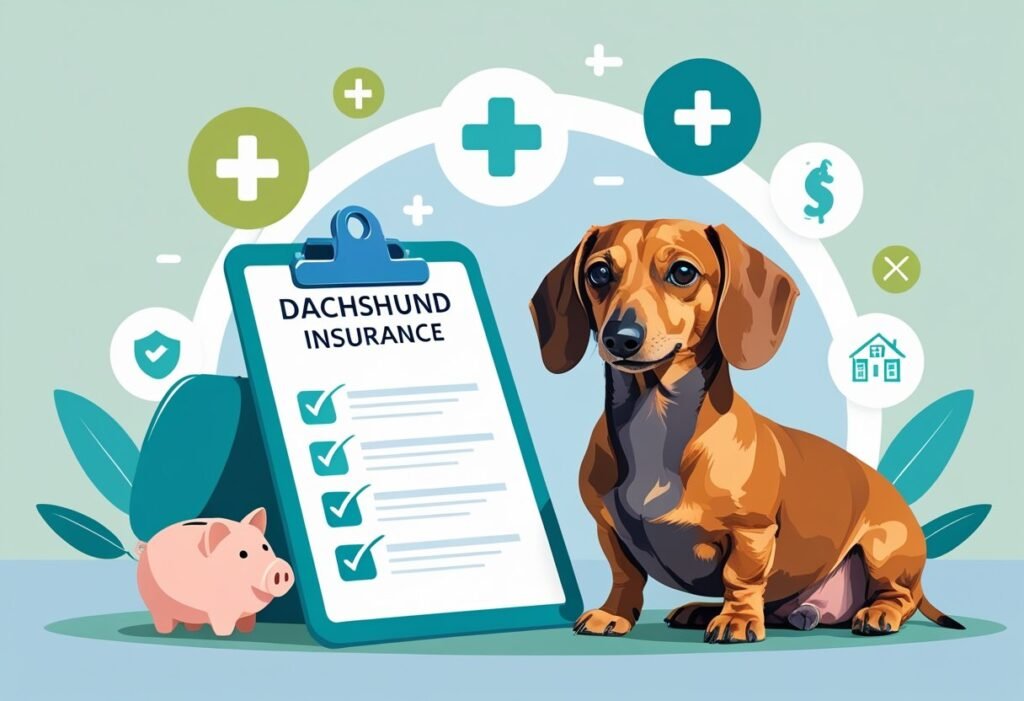
Once you’ve clarified your coverage priorities, the next step is structured comparison.
Begin by identifying insurers that offer accident-and-illness coverage suitable for breed-prone conditions. Review policy documents carefully rather than relying only on marketing summaries or review ratings.
Before applying, gather the following information:
- Your dog’s age and breed
- Any known medical history or pre-existing conditions
- The type of coverage you are considering (accident-only, accident-and-illness, or optional wellness add-ons)
When comparing plans, focus on:
- Annual coverage limits
- Deductible options
- Reimbursement percentages
- Waiting periods for orthopedic or spinal conditions
- Exclusions for hereditary or pre-existing issues
After selecting a policy, you may need to provide veterinary records and complete a formal application. Some providers require a recent health examination.
Before finalizing enrollment, review the full terms carefully, including payout caps, exclusions, and renewal conditions.
Once active, keep digital and physical copies of your policy documents and revisit your coverage periodically to ensure it still aligns with your Dachshund’s health profile.
🐾 Don’t Miss Out!
Download our free Dachshund care guide to keep your furry friend happy and healthy.
Get Your Free Guide 🐶Frequently Asked Questions

Dachshund insurance policies often include specific terms related to breed-prone conditions. Understanding exclusions, waiting periods, and hereditary coverage can prevent confusion later.
What are the common exclusions of pet insurance plans for Dachshunds?
Most policies exclude pre-existing conditions, meaning any illness or injury diagnosed before enrollment. Cosmetic procedures, breeding-related expenses, and elective surgeries are typically not covered. Some insurers may also limit or exclude certain hereditary conditions, so reviewing the policy’s exclusion list carefully is essential.
How do back issues in Dachshunds impact insurance premiums and coverage?
Because Dachshunds are predisposed to spinal conditions such as IVDD, insurers may factor breed risk into pricing. Policies may include waiting periods for orthopedic conditions, and coverage terms vary by provider. Enrolling before symptoms appear generally provides broader protection.
What factors affect the cost of insuring a Dachshund?
Premiums are influenced by age, location, coverage limits, deductible selection, and reimbursement rate. Older dogs and those with prior medical history typically cost more to insure. Higher annual limits and lower deductibles usually increase monthly premiums.
Are hereditary conditions covered by Dachshund pet insurance?
Some policies include coverage for hereditary and congenital conditions, while others impose limitations. Eligibility often depends on whether symptoms were present before enrollment. Confirming how the policy defines and handles hereditary conditions is important before purchasing coverage.
What should I prioritize when choosing a policy?
Focus on coverage for breed-prone conditions, clear reimbursement structure, reasonable annual limits, and transparent exclusions. Waiting periods for orthopedic issues should be reviewed carefully. Policy clarity is often more important than brand name recognition.
Does breed influence overall insurability and cost?
Yes. Insurance pricing models account for breed-specific risk patterns. Because Dachshunds have a higher likelihood of spinal and hereditary conditions, premiums may reflect that increased risk. Coverage terms may also be structured differently for high-risk breeds.